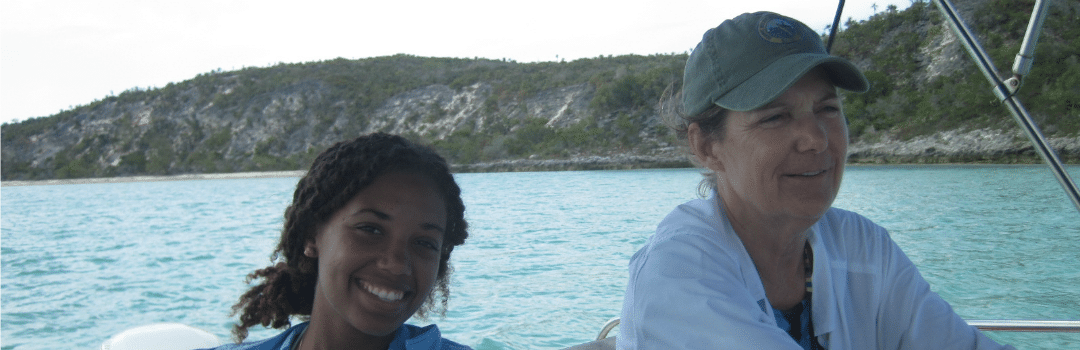
While doing field work in the Bahamas for her master’s degree in marine conservation, Martha Davis experienced firsthand the alarming decline of the islands’ queen conch population, a species of edible mollusk. Her nonprofit, Community Conch, conducts conch population surveys and advocates for conservation efforts to preserve this vital species. “With the support of the Department of Marine Resources and the Bahamas National Trust, we are using the information we collected at stakeholders meetings to reform regulations. It has been very rewarding to present our data at conferences and have scientists from the Bahamas and other Caribbean countries thank us for our work,” Martha says.
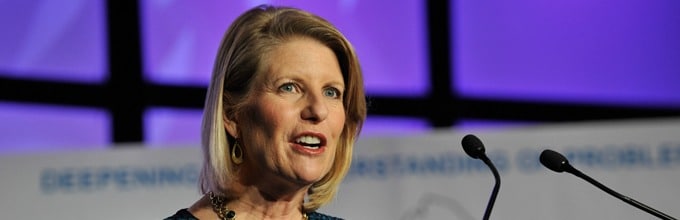
Kimery Wiltshire, CEO and President of Carpe Diem West, spoke with Rachel’s Network members by teleconference on water issues and sustainability in the American West. We recently caught up with Kimery and she shared more about her work, as well as what inspires her.
I learned about many new ways to lessen our impact on the planet, and that job is never done. I’ve been inspired to think about alternative materials to our plastics. Hearing what San Francisco is doing made me think about initiating my company’s own Corporate Sustainability Report, and I hope that it will encourage others to follow suit, not just to say they did it, but to truly gauge their impact on the environment.
We need a comprehensive plan to address restoration in the Gulf, and a key part of that plan must be to establish a long-term research and monitoring program so that we can better understand changes in the ecosystem and develop management solutions that keep our environment and economy healthy. A well-funded and robust science program will help guide these efforts by providing research to support the design, selection and evaluation of restoration projects.