What could a non-extractive agriculture project look like? In June, Rachel’s Network visited Urban Growers Collective in Chicago to find out. Catalyst Program Director Shreya Durvasula shared observations and lessons learned from the trip to Green Era Campus and the South Chicago Farm.
In the US alone, about $30 trillion is sitting in retirement accounts. There’s no excuse for employers not to offer more sustainable funds—they’re plentiful, they perform well, and they improve employee engagement. Here’s how Rachel’s Network did it.
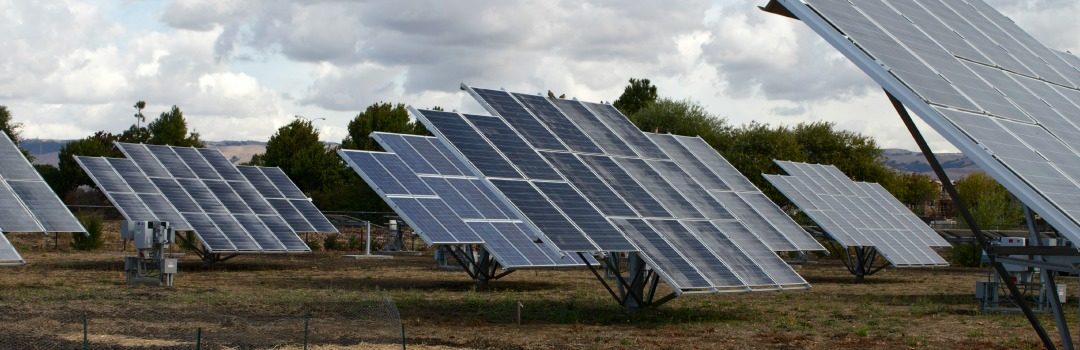
Public demand for clean energy is growing rapidly, but because clean energy products typically require a large upfront cost, there is a growing need for affordable financing. That’s why a passionate group of volunteers started Clean Energy Credit Union, a new financial institution that focuses solely on providing loans that help people afford clean energy products and services such as solar electric systems, electric vehicles, geothermal heat pumps, electric bicycles, high efficiency HVAC systems, and other green home improvements.
Rooftop solar is not the only option for American households looking to go solar. Community solar allows households to enroll in a centralized, shared solar farm in their area and see savings on their electric bill. Solstice Founder and CEO Steph Speirs explains why community solar is vital to reaching the four out of five Americans without access to rooftop solar.
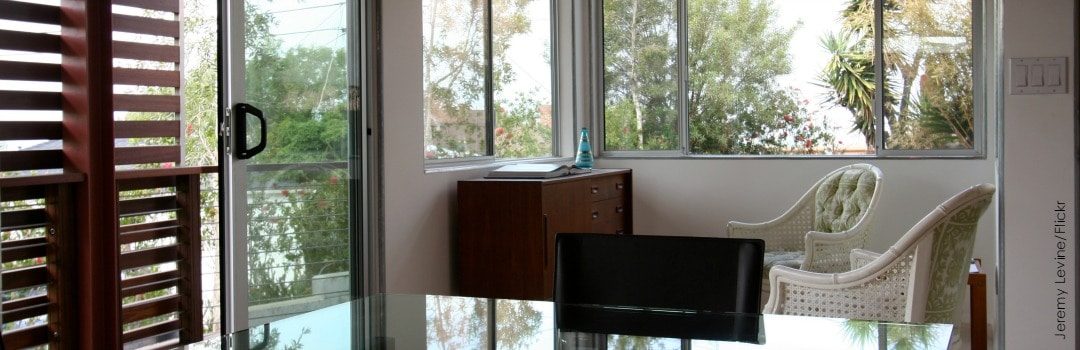
After Rachel’s Network Member Adriana Hayward’s family became sick from black mold, she and her husband launched Hayward Healthy Home and built a state-of-the-art sustainable, toxic-free regenerative house. Now, she’s sharing the hard-earned lessons she learned with others so that healthy buildings become the norm.