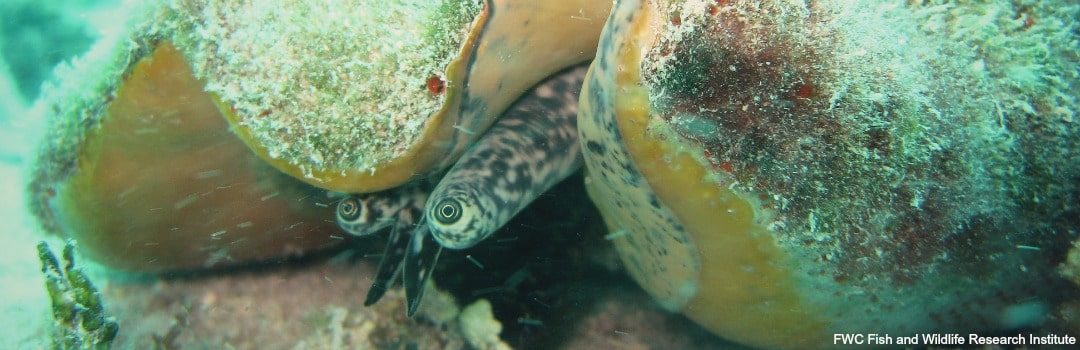
While queen conch has been a central part of Bahamian culture, economy, and cuisine for centuries; growing demand from the US has jeopardized local populations of the species. Rachel’s Network Member Martha Davis fell in love with queen conch while doing field work for her master’s degree. Now, through her organization Community Conch, she’s gathering and publishing vital information about this unique animal. With Martha’s help, and the commitment of her partners, volunteers, and local fisherman, the Bahamas can build back its dwindling conch population.
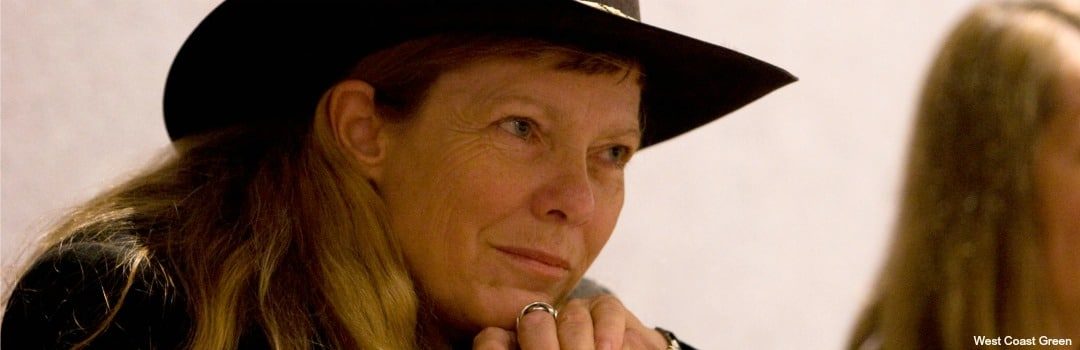
The ecological and economic crises facing us are not an accident, nor are they inevitable, says Rachel’s Network Advisor L. Hunter Lovins. Her organization, Natural Capitalism Solutions, is convening an international team of business people, thought leaders, scholars, investors and activists to craft a new narrative and strategy for an economy that works for 100 percent of humanity.
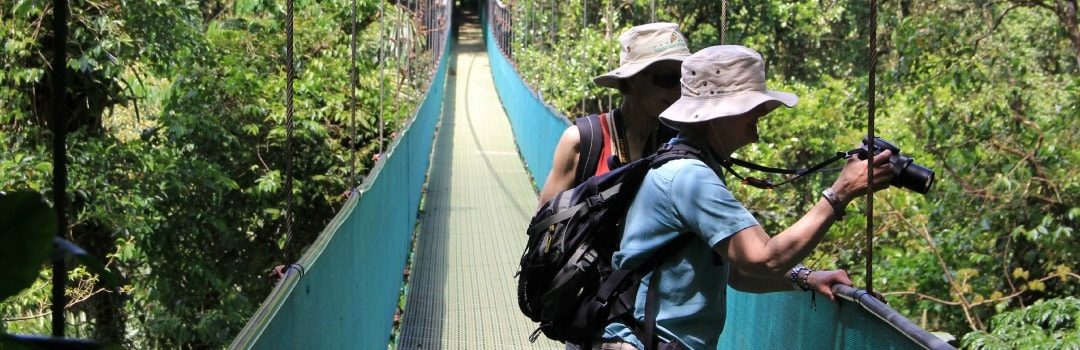
Tourism is growing at a rapid pace, up to 10 percent in some countries. That’s why it’s so important to develop tourism in a way that supports local economies and conserves the natural areas that make these countries travel destinations in the first place. Megan Epler Wood, director of the International Sustainable Tourism Initiative at Harvard’s Center for Heath and the Global Environment, joined Rachel’s Network members for a discussion on how to manage tourism for the the protection of natural areas and communities worldwide.
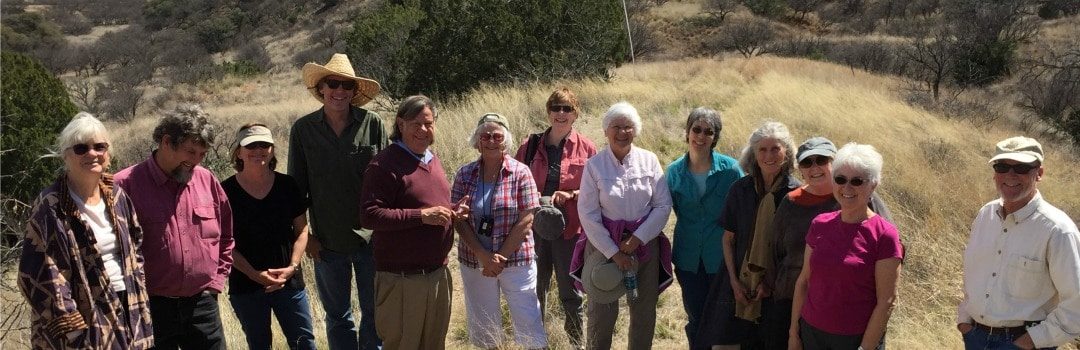
“Preposterously beautiful.” That’s how novelist Jim Harrison once described Patagonia, Arizona, a town on the edge of the Sonoran Desert. Rachel’s Network members confirmed this view on a recent trip to the Sky Island region where they learned about local efforts to preserve this unique and biodiverse landscape. The trip was led by local Rachel’s Network Member Diana Hadley who supports a number of conservation programs on both sides of the US-Mexico border and possesses an encyclopedic knowledge of the area.
Sometimes we simply need a role model to show us that change is possible. For the women of Rachel’s Network, these “champions of change” are abundant. Their peers are leading campaigns to protect threatened wildlife and promote renewable energy, producing documentary films, filing shareholder resolutions in the name of sustainability at major companies, and helping keep the lights on with their general operating support. Read on to discover the many other ways we supported a sustainable future, women’s leadership, and philanthropy in 2014.