News

Expert Q&A with Ruth Hennig, John Merck Fund
The John Merck Fund will award its last grants in 2021 and close its doors in 2022, in order to accelerate progress on environmental issues. Ruth Hennig, Director of the Fund, spoke to Rachel’s Network members about why the Fund made the decision to spend down, the progress they’ve made so far, and the impact she hopes this strategy will have over the next decade.
New Earth Focus Film “UNSAFE” Exposes Danger in Everyday Products
A new episode of Earth Focus reveals that Americans are exposed to tens of thousands of synthetic chemicals that are largely unregulated and untested for safety. UNSAFE: The Truth Behind Everyday Chemicals, takes a penetrating look at the health risks behind the most ubiquitous chemicals in ordinary products.
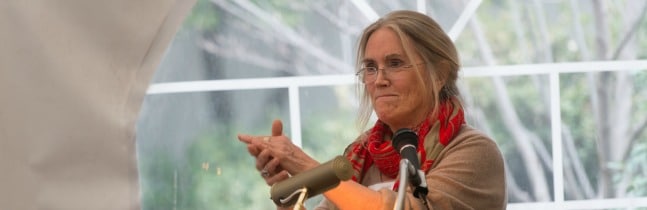
Adelaide Park Gomer on Mission-Related Investing
Adelaide Park Gomer, President of the Park Foundation and chair of the board, realized early on that it was a contradiction to make grants to not-for-profit organizations that, for example, worked to abolish forest clear-cutting, prevent the use of genetically modified foods and reduce toxins in our waterways if the foundation at the same time was invested in corporations responsible for these egregious practices. Gomer decided to reinvest her personal portfolio in a way that would not harm people and the environment. Pleased with the performance of her new portfolio, she took on the challenge of convincing the foundation to follow suit.
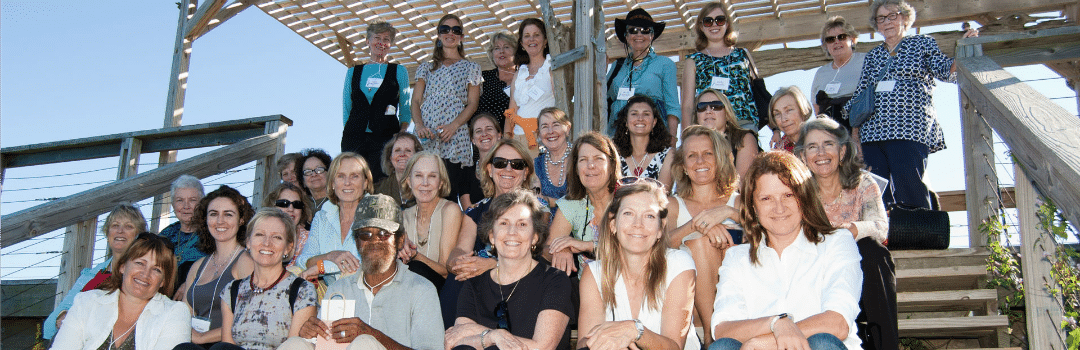
The Rachel’s Network Fellowship
Today, the world is facing unprecedented environmental challenges and we need social entrepreneurs to bring new ideas to light (and to scale) before it’s too late. Women are poised to offer solutions, but they aren’t getting the support they need to take their concepts to the next level. We aim to shift this disparity.