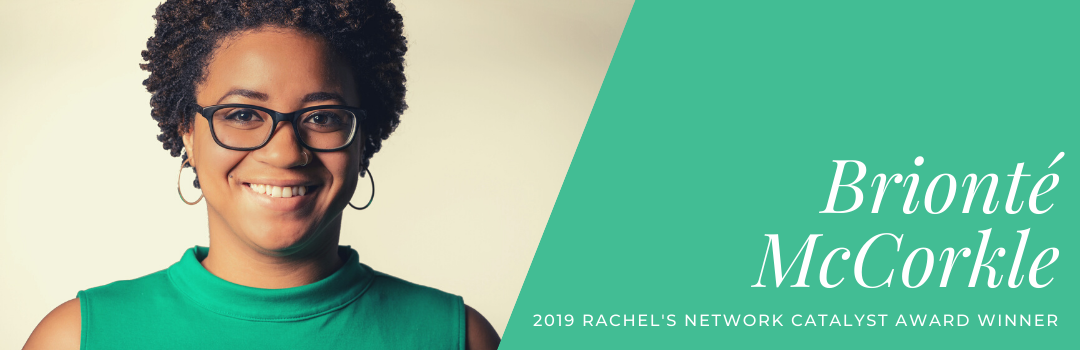
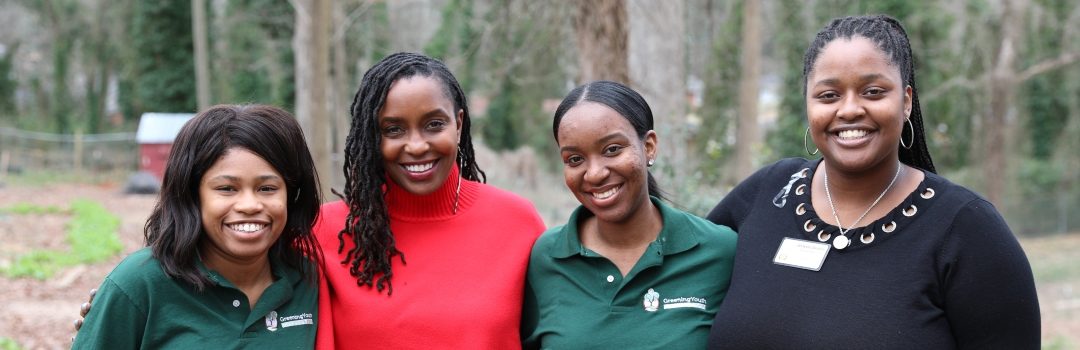
Rachel’s Network announced that it has awarded environmental policy leader Brionté McCorkle with its inaugural Catalyst Award. Brionté is the director of Georgia Conservation Voters (GCV) where she works to elect pro-environment candidates and hold elected officials accountable. In 2014, Brionté led the Georgia Sierra Club’s successful effort to expand Atlanta’s transit system.
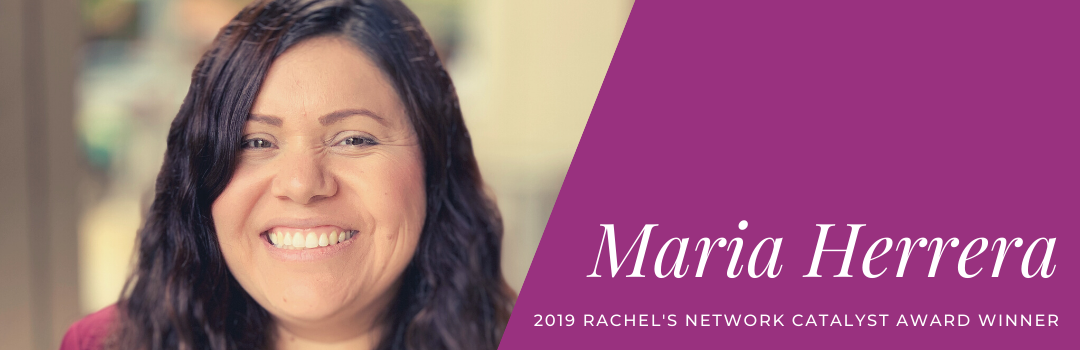
Rachel’s Network announced that it has awarded safe drinking water advocate Maria Herrera with its inaugural Catalyst Award. Maria has devoted her career to addressing drinking water challenges in disadvantaged and rural farmworker communities. As the manager of community engagement and planning at Self-Help Enterprises, she and her team pioneered the Rural Communities Water Managers Leadership Institute, a program that helps communities in the San Joaquin Valley engage with and influence regional water planning and sustainability programs.
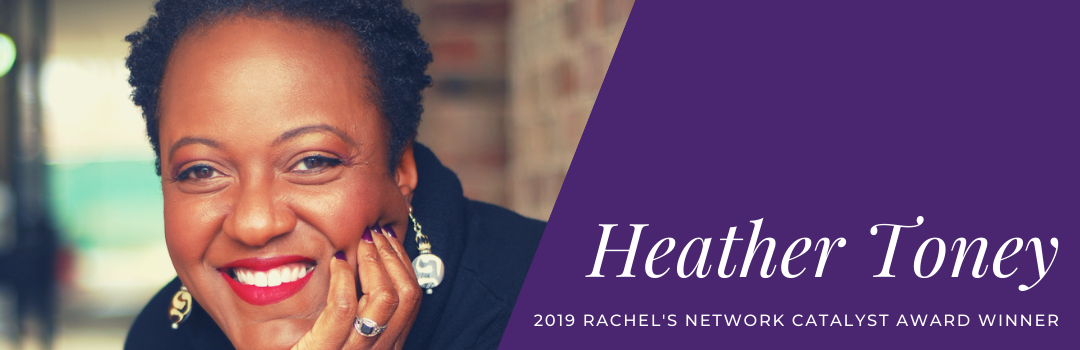
Rachel’s Network announced that it has awarded environmental health advocate Heather Toney with its inaugural Catalyst Award. Heather is the national field director for Moms Clean Air Force, an organization of over one million moms and dads committed to fighting air pollution and climate change. Among her accomplishments, Heather developed a program to engage the African American faith-based community on environmental health, and one to connect mothers with mayors on climate solutions.
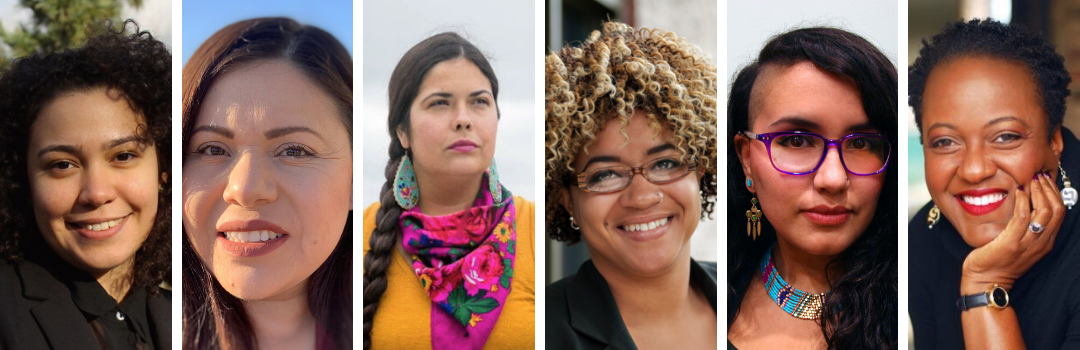
Rachel’s Network today announced six recipients of its inaugural Catalyst Award. The award provides women environmental leaders of color support and recognition for their commitment to a healthy planet, along with a $10,000 prize, networking opportunities, and national recognition for their work. The 2019 winners are: Annel Hernandez, Maria Gallegos Herrera, Tara Houska, Brionté McCorkle, Juliana Pino, and Heather Toney.
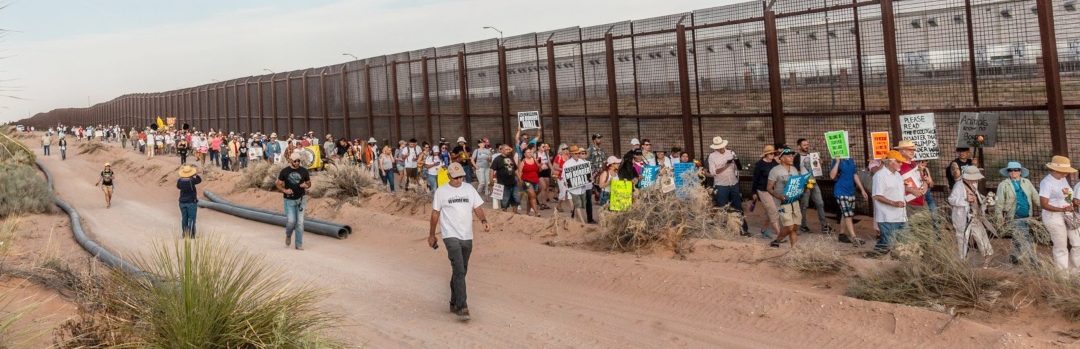
Rachel’s Network today announced new funding for the Center for Biological Diversity (CBD) and the Texas Civil Rights Project (TCRP) to amplify the voices of those at the border and oppose the construction of the US-Mexico border wall.
Despite the fact that women of color have higher levels of concern about environmental issues like climate change, they are woefully underrepresented in leadership positions in the environmental community. That’s why, today, we are launching the Rachel’s Network Catalyst Award, to provide women leaders of color support and recognition for their commitment to a healthy planet.