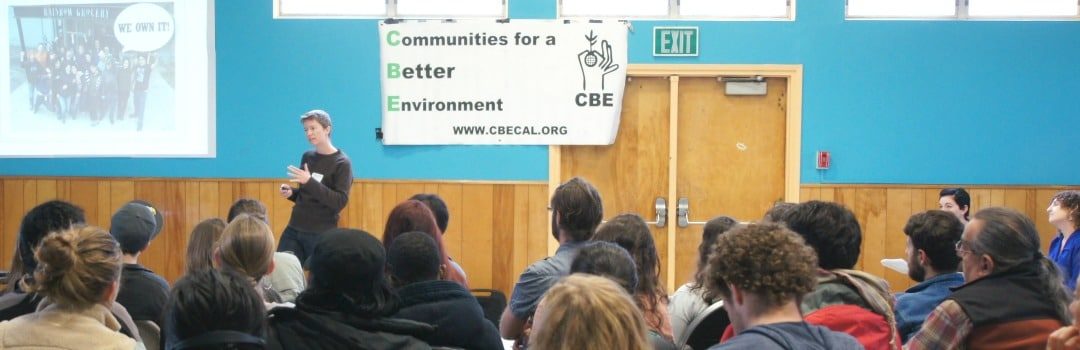
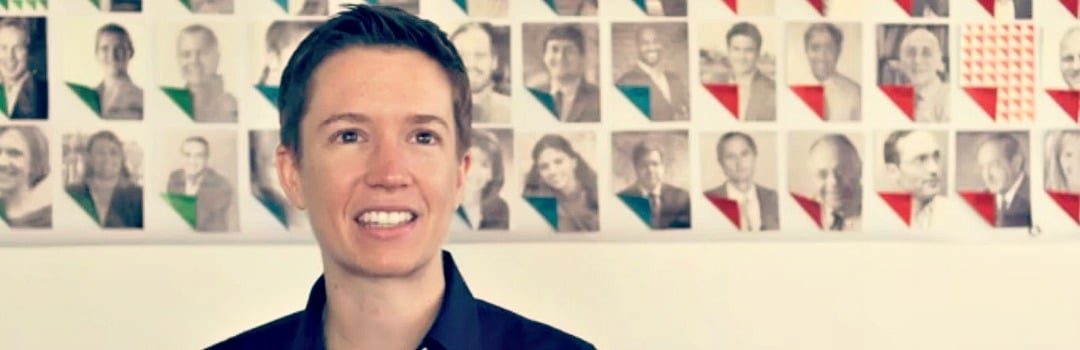
Janelle Orsi, an Ashoka Fellow sponsored by Rachel’s Network is developing legal infrastructure that supports the sharing economy through her nonprofit, the Sustainable Economies Law Center (SELC). Janelle took some time to tell us about her work, her accomplishments and the promise of an economy based on sharing.
We’re witnessing a major demographic shift in agriculture. Over the next two decades, as aging farmers retire or leave their land to the next generation, 70 percent of the nation’s private farm and ranch land will likely change hands. One report predicts that women may own 75 percent of this transferred farmland. Rachel’s Network is working with American Farmland Trust to learn about and support these landowners.
Rachel’s Network and Ashoka — the world’s largest network of social entrepreneurs — have teamed up to uncover environmental innovation and promote women who are pioneering sustainable change. We are proud to announce the result of this partnership: new Ashoka Fellow Janelle Orsi, sponsored by Rachel’s Network. Janelle founded the Sustainable Economies Law Center to develop an entirely new legal infrastructure that supports this new economy. SELC provides direct legal support to communities, training the next generation of community lawyers in partnership with law schools, and drafting new legislation at the city and state levels.
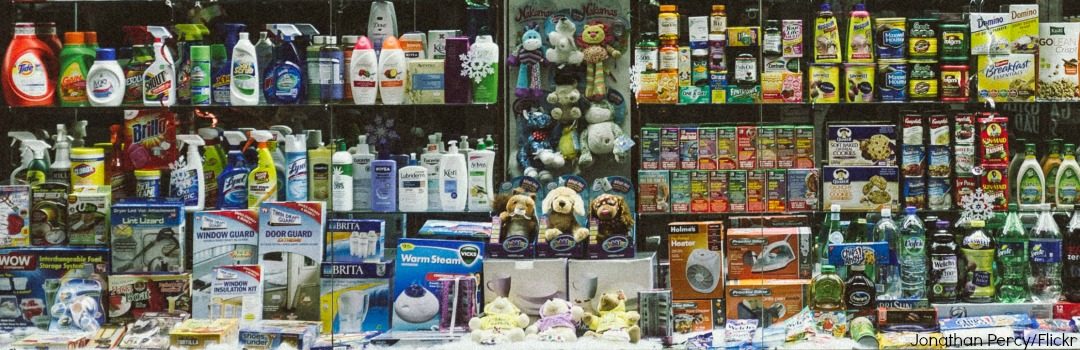
In 1976, the Toxic Substances Control Act (TSCA) was passed with the intention of keeping Americans safe from dangerous chemicals. Not only did the law lack teeth from the start, it hasn’t kept pace with the tens of thousands of new chemicals that have since flooded the market. The result? Americans have become guinea pigs for the chemical industry and science is revealing a host of health impacts from cancer to asthma. Rachel’s Network set out to reinvigorate the chemical reform discussion by producing a short documentary with Earth Focus called UNSAFE: The Truth Behind Everyday Chemicals. Here are five findings from the video that illustrate the dire need for chemical reform.
A new episode of Earth Focus reveals that Americans are exposed to tens of thousands of synthetic chemicals that are largely unregulated and untested for safety. UNSAFE: The Truth Behind Everyday Chemicals, takes a penetrating look at the health risks behind the most ubiquitous chemicals in ordinary products.
Today, the world is facing unprecedented environmental challenges and we need social entrepreneurs to bring new ideas to light (and to scale) before it’s too late. Women are poised to offer solutions, but they aren’t getting the support they need to take their concepts to the next level. We aim to shift this disparity.