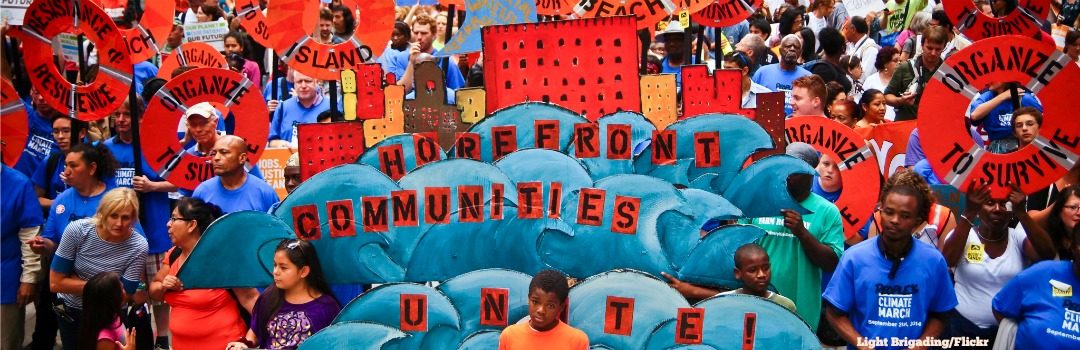
Former NRDC President Frances Beinecke believes this is our moment on climate change. Right now farmers, college students, union members, environmental justice groups, business executives and countless others are pushing for climate solutions. Many are inspired to act by visionary women leaders, including May Boeve, Peggy Shepherd, Elizabeth Yeampierre, Margie Alt, Ricky Perera, and so many others. They are “unbowed,” as Wangari Maathai would say, and they are calling for a more sustainable future.
As we learned from our 2011 report “When Women Lead,” women legislators, regardless of party affiliation, vote in favor of environmental protections more often than their male counterparts. Clearly, we need women on both sides of the aisle to advance policy, especially environmental policy. But the vast majority of women in Congress are Democrats; they outnumber Republican congresswomen three to one. Why is this and how can we address this gap? Rachel’s Network has partnered with Political Parity to identify the challenges Republican women face when running in primary elections.
It’s easy to become overwhelmed thinking about all environmental challenges we face. Billions of people, their houses, their cars, their stuff, their worksites, their stores, their restaurants, their schools—so much of our society must change to support the natural resources on which human life depends. But Angel has found hope in the work of Rachel’s Network members and others around the world.
This week, ClientEarth, a small environmental nonprofit and the first public interest law firm in the European Union, won a huge victory in the EU courts that will drastically reduce air pollution in the UK. ClientEarth is the brain child of Rachel’s Network Founder Winsome McIntosh, who established the organization in 2008 with assistance from the Rachel’s Network Fiscal Sponsorship Fund. Coutts recently talked with Winsome about her tireless work to protect the environment through her philanthropy.
Kef’s appointment was facilitated by the Rachel’s Network’s Board Placement Program, which matches environmental and social justice nonprofits with their talented membership of women environmental funders.
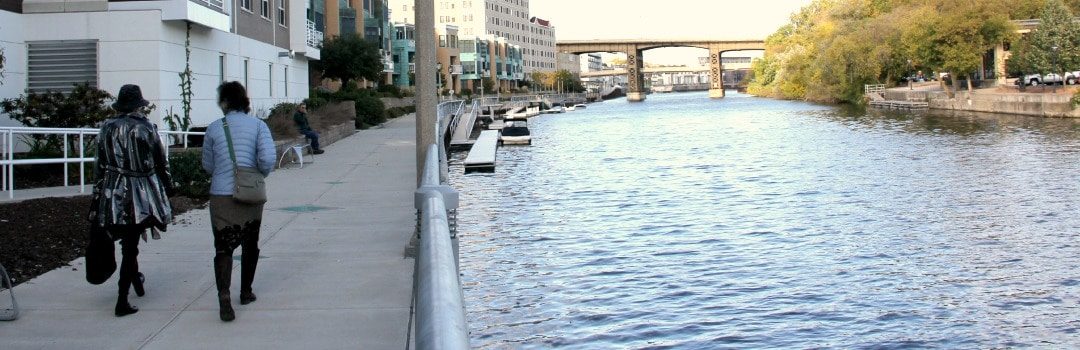
After our Fall Retreat on water issues in Milwaukee, we reached out to influential figures — including activists, authors, artists, and business leaders — to share how they would like to see more funds directed to water issues. Their responses show how water touches all parts of our life, and point to the importance of building coalitions and citizen power to protect this vital resource.