
News

Let’s Talk About Climate Solutions
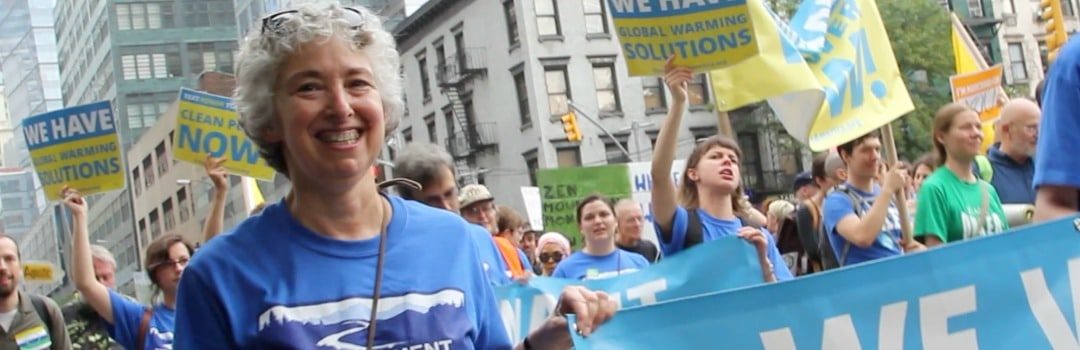
Here’s what we know about climate change: 97 percent of climate scientists are convinced, based upon the evidence, that human-caused global warming is happening. When they see no solution, people just don’t want to think about it. But when an effective solution is possible, opinions change quickly. Through Citizens Climate Lobby, Marianne Gabel is holding respectful discussions based on common values to help Congress find the way to a cooler, livable world.
The Town that Fought Tar Sands
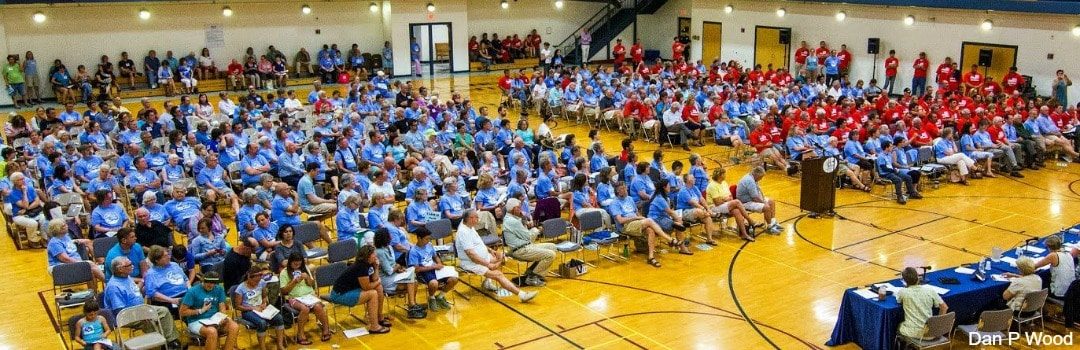
In 2008, Portland Pipeline was quietly making plans to reverse the flow of their 236 mile long oil pipeline between Portland, Maine and Montreal, Canada. Few people in South Portland had heard of tar sands in 2008, but by 2014 that had changed. That’s because a group of citizens had formed “Protect South Portland,” going door-to-door to educate their neighbors about the threat of tar sands shipments in their community. Rachel’s Network Member Janet Miller talks about her involvement in the successful campaign to fight the project.
Expert Q&A with Margie Alt, Executive Director of Environment America
One-in-three foods on our plates rely on bees for pollination. But bee populations are in trouble. Mounting scientific evidence points to a class of pesticides called neonicotinoids (“neonics” for short) as the culprit for honeybee decline. Executive Director of Environment America Margie Alt joined Rachel’s Network to explain what needs to be done to protect our pollinators, and what her organization is doing to advocate for this and other environmental causes.
Instilling a Love of Biodiversity in the Next Generation
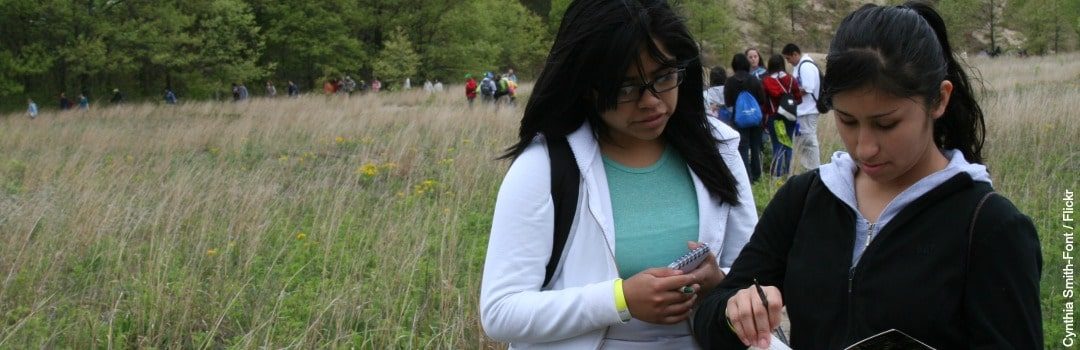
“How are we going to manage the planet and keep it sustainable if we know so little about it?” This question, posed by E.O. Wilson in his book, “Letters to a Young Scientist,” was born out of his long held conviction that if we can foster a greater understanding of biology, we can cultivate a desire to take care of the planet. Now Paula J. Ehrlich of the E.O. Wilson Biodiversity Foundation is helping make the vision of accessible biology education a reality for students around the world through her organization’s free digital textbook and storytelling projects.
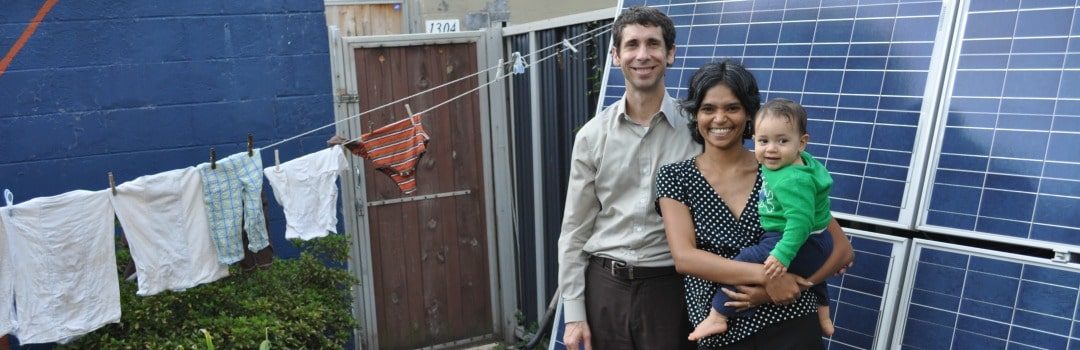
Expert Q&A with Keya Chatterjee, USCAN Executive Director
How can environmental advocates build better coalitions for climate action? As executive director of the US Climate Action Network (USCAN), Keya Chatterjee brings together diverse constituencies to build climate solutions. She shared her perspective on the future of the climate movement with Rachel’s Network members on Earth Day.
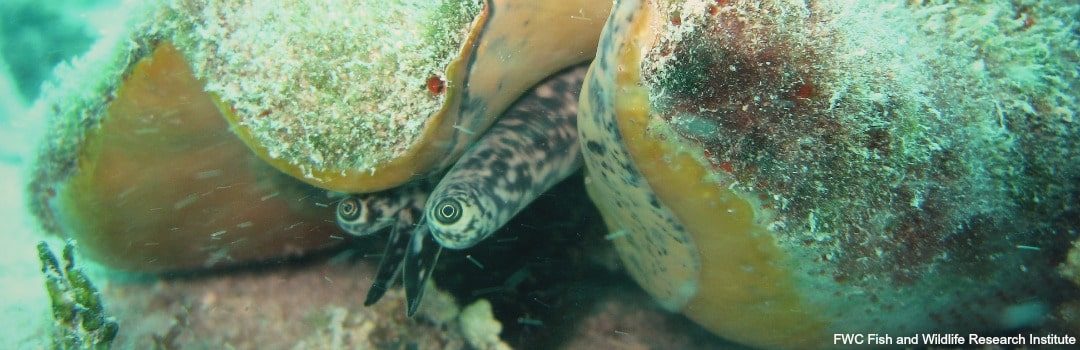
Martha Davis: A Champion for the Queen Conch
While queen conch has been a central part of Bahamian culture, economy, and cuisine for centuries; growing demand from the US has jeopardized local populations of the species. Rachel’s Network Member Martha Davis fell in love with queen conch while doing field work for her master’s degree. Now, through her organization Community Conch, she’s gathering and publishing vital information about this unique animal. With Martha’s help, and the commitment of her partners, volunteers, and local fisherman, the Bahamas can build back its dwindling conch population.
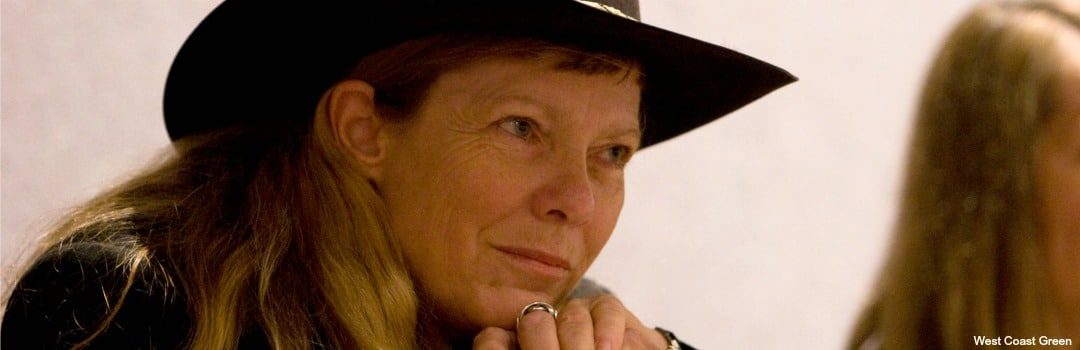
Building an Economy that Serves Life
The ecological and economic crises facing us are not an accident, nor are they inevitable, says Rachel’s Network Advisor L. Hunter Lovins. Her organization, Natural Capitalism Solutions, is convening an international team of business people, thought leaders, scholars, investors and activists to craft a new narrative and strategy for an economy that works for 100 percent of humanity.
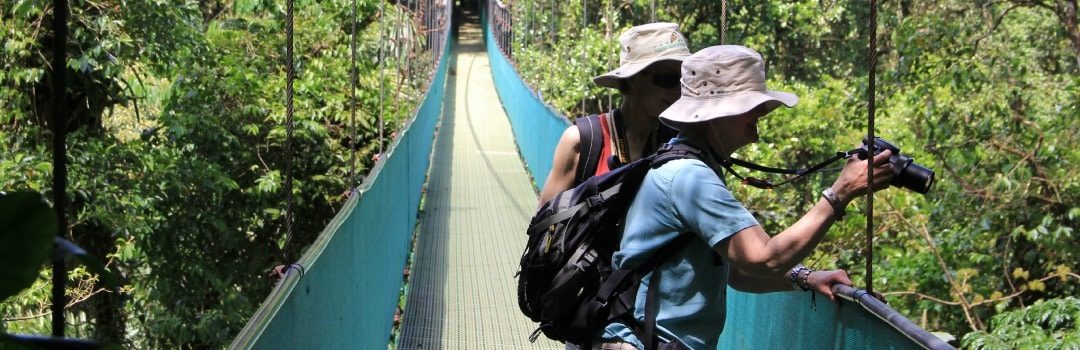
Expert Q&A with Megan Epler Wood, Ecotourism Pioneer
Tourism is growing at a rapid pace, up to 10 percent in some countries. That’s why it’s so important to develop tourism in a way that supports local economies and conserves the natural areas that make these countries travel destinations in the first place. Megan Epler Wood, director of the International Sustainable Tourism Initiative at Harvard’s Center for Heath and the Global Environment, joined Rachel’s Network members for a discussion on how to manage tourism for the the protection of natural areas and communities worldwide.
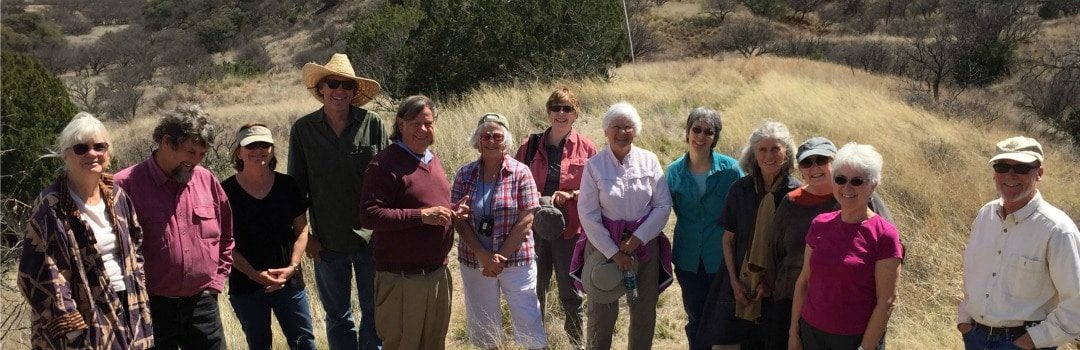
Rachel’s Network Visits Patagonia, Arizona
“Preposterously beautiful.” That’s how novelist Jim Harrison once described Patagonia, Arizona, a town on the edge of the Sonoran Desert. Rachel’s Network members confirmed this view on a recent trip to the Sky Island region where they learned about local efforts to preserve this unique and biodiverse landscape. The trip was led by local Rachel’s Network Member Diana Hadley who supports a number of conservation programs on both sides of the US-Mexico border and possesses an encyclopedic knowledge of the area.
2014 Annual Report
Sometimes we simply need a role model to show us that change is possible. For the women of Rachel’s Network, these “champions of change” are abundant. Their peers are leading campaigns to protect threatened wildlife and promote renewable energy, producing documentary films, filing shareholder resolutions in the name of sustainability at major companies, and helping keep the lights on with their general operating support. Read on to discover the many other ways we supported a sustainable future, women’s leadership, and philanthropy in 2014.