
News
Women Key to a Greener Global Economy
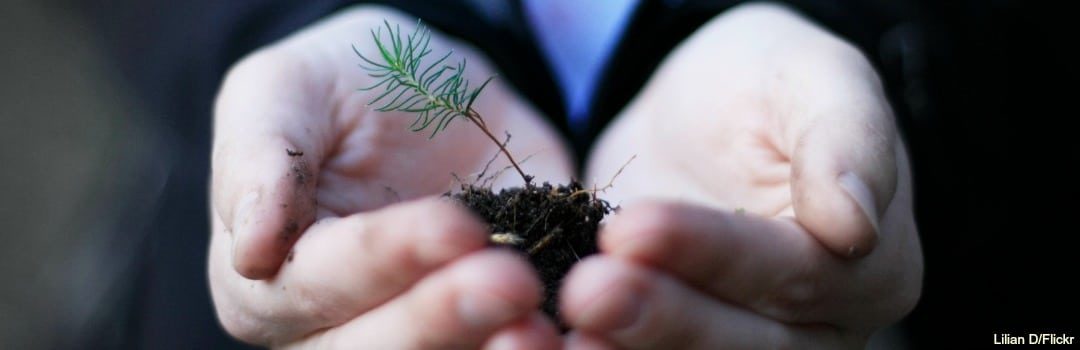
More women financial advisors than men report being interested in sustainable investing. According to a key 2012 study, Gateways to Impact spearheaded by the Rockefeller Foundation, Deutsche Bank Asset Management and other investment enterprises, 59 percent of women advisors surveyed expressed strong interest in advising their clients on sustainable investment strategies, compared to 34 percent of their male peers. If this trend continues, women will be key to moving sustainable investment from the margins to the mainstream.
Women Landowners and the Future of Agriculture
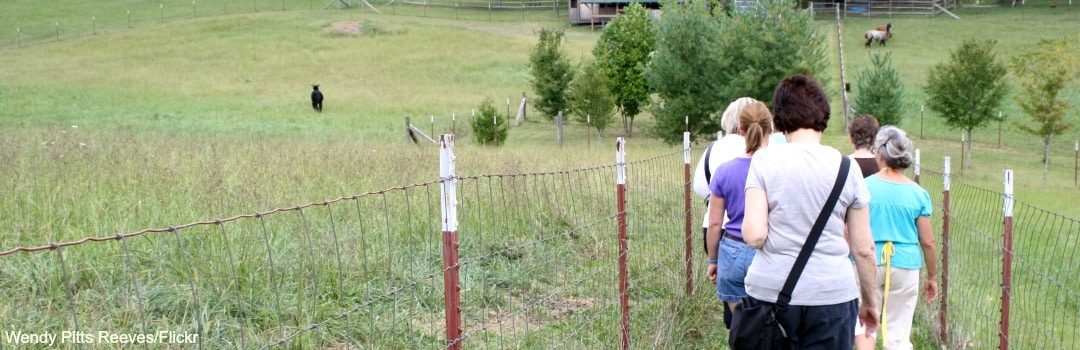
We’re witnessing a major demographic shift in agriculture. Over the next two decades, as aging farmers retire or leave their land to the next generation, 70 percent of the nation’s private farm and ranch land will likely change hands. One report predicts that women may own 75 percent of this transferred farmland. Rachel’s Network is working with American Farmland Trust to learn about and support these landowners.
Why We Need More Women in the Power Sector
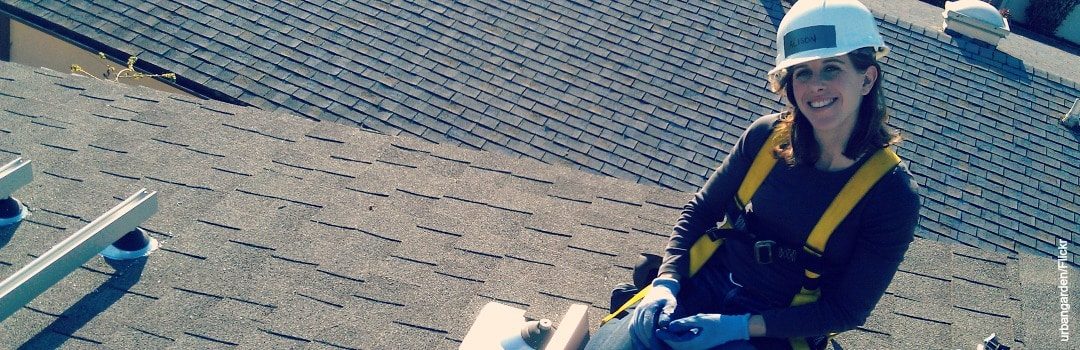
Alison Kay believes that the importance of having diversity in the senior management team is being overlooked by the power and utilities industry at a time when it needs new approaches to resolve the energy trilemma: how to provide energy that’s available, affordable and environmentally sustainable, all at the same time.
Building Citizen Power for Climate Action
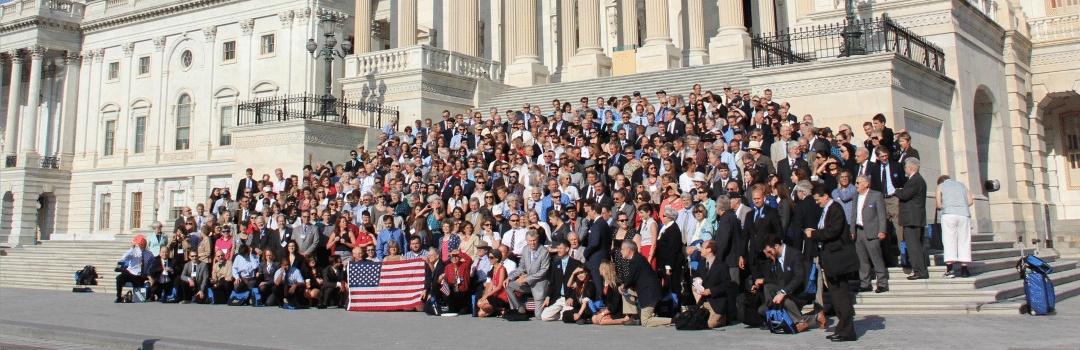
Citizens Climate Lobby empowers people around the country (and increasingly, around the world) to engage with their elected officials on climate change. Rachel’s Network Member Marianne Gabel heads one of 200 volunteer chapters of the organization and is helping people embrace their citizen muscle to tackle this big challenge.
Water Issues Reading List
Rachel’s Network will gather in Milwaukee in October to learn how we might address serious water challenges as funders and advocates. We are privileged to host some of the top advocates and scholars on water issues at this Fall Retreat. In advance of our Retreat, Rachel’s Network members shared their favorite books on water.
Reflecting on World Population Day with Janet Miller
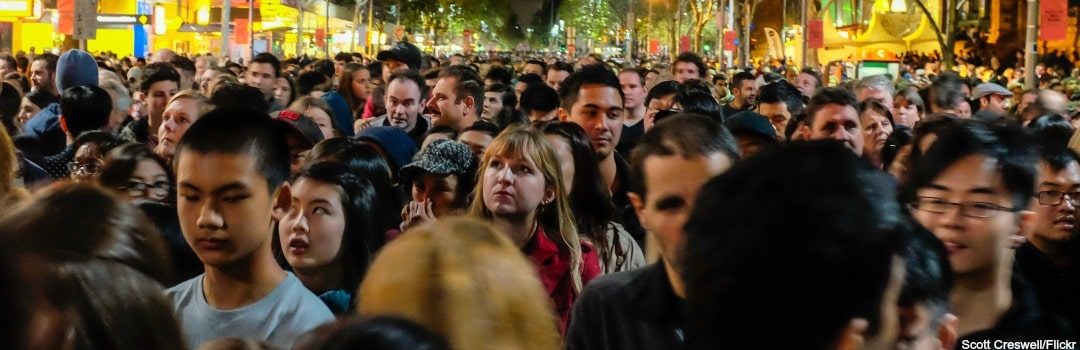
In 1987 the UN designated July 11th World Population Day to build awareness of the impact population has on development and the environment. As of this writing, the world population is estimated to be 7.239 billion. Roughly 40% is under the age of 25. The UN estimates we will grow to 9.5 billion by 2050. We are at a critical moment in history. If population growth continues as projected, living conditions will become bleaker; and water, food and land will become scarcer.
You and Your Ideas Need a Community
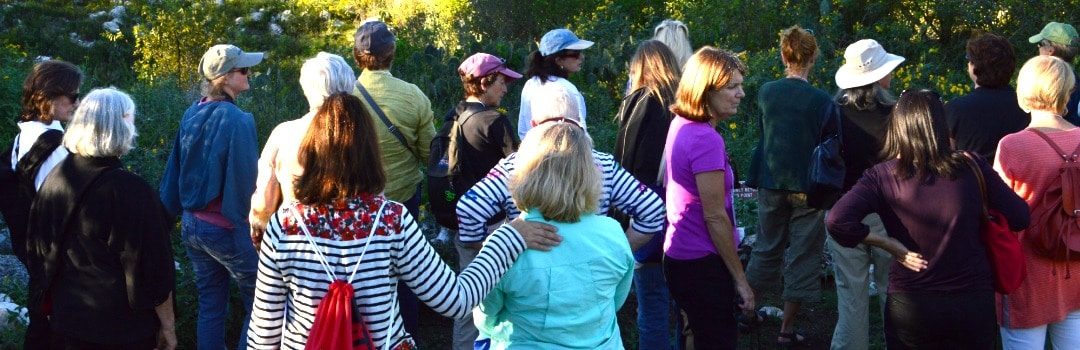
My generation of middle-class United States citizens got the message that individual achievement was the measure of success. And we also learned to be rugged individualists—never let ’em see you sweat, big girls and boys don’t cry, no thanks, no help needed, no help wanted. While there are still some holdouts who believe success and well-being are a personal matter, that delusion has been shattered for most of us. Today’s world works in collaboration—at least the smartest and happiest part of the world does.

Fighting Food Waste with Betsy Fink
Of all food produced in the United States, 30-40% is wasted. The Betsy and Jesse Fink Foundation is working to address the problem.
Rachel’s Network and Ashoka Announce New Fellow Janelle Orsi
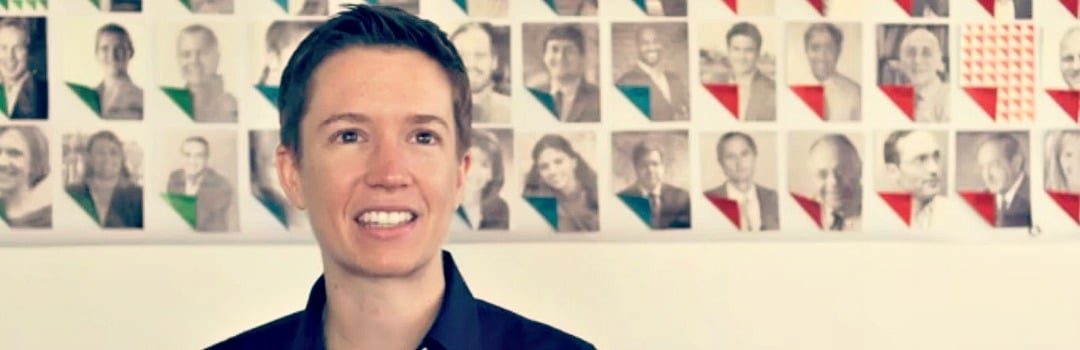
Rachel’s Network and Ashoka — the world’s largest network of social entrepreneurs — have teamed up to uncover environmental innovation and promote women who are pioneering sustainable change. We are proud to announce the result of this partnership: new Ashoka Fellow Janelle Orsi, sponsored by Rachel’s Network. Janelle founded the Sustainable Economies Law Center to develop an entirely new legal infrastructure that supports this new economy. SELC provides direct legal support to communities, training the next generation of community lawyers in partnership with law schools, and drafting new legislation at the city and state levels.
Angel Braestrup on Ocean Acidification: A Global Problem with Local Solutions
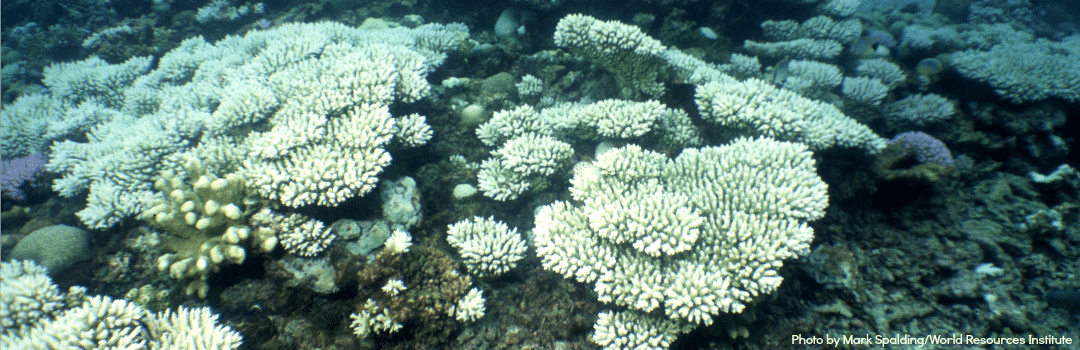
June 8th marks World Oceans Day, finally designated by the UN in 2010 to recognize the needs and contributions of 70% of the planet. Nowhere can we see more clearly the effects of the multiple stressors of a changing planet than in the shifting currents, changing chemistry, and warming waters of our global ocean. Ocean acidification (OA) is the term we have given to the changing chemistry. So what does it mean and how does it happen?