News
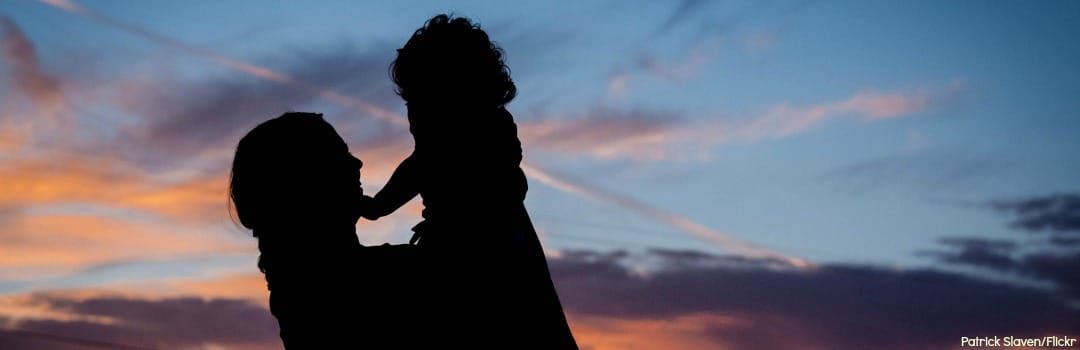
What’s a Mother to Do in the Face of Climate Change?
As a mother of two “20-something” daughters in a time of global warming, Rebecca Wodder is deeply worried about their future. Rising temperatures and sea levels, extreme floods and droughts, devastating forest fires and landslides, and other climate-related catastrophes will stress our communities and threaten our society. Given the global magnitude of the problem and the reluctance of our nation’s leaders to take timely action, what’s a mother to do? Rebecca turns to lessons from her 40 years as an environmental advocate and courageous stories from others to find hope.
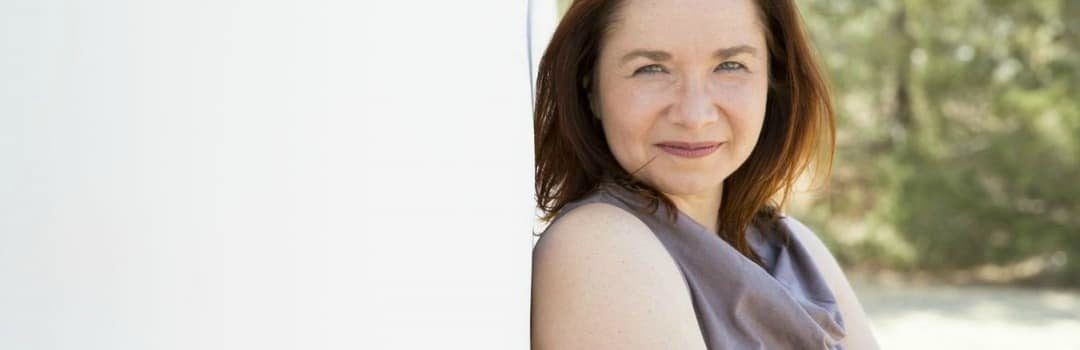
Expert Q&A with Katharine Hayhoe, Climate Scientist
Dr. Katharine Hayhoe, one of the world’s top climate scientists, joined Rachel’s Network members by teleconference call in May to share her work on the Third National Climate Assessment, which represents the most up-to-date and comprehensive overview of climate change impacts on the U.S. She discussed her efforts to draw attention to the urgency of climate change and gave advice on how to connect with unlikely supporters. We also had a chance to ask her these questions…
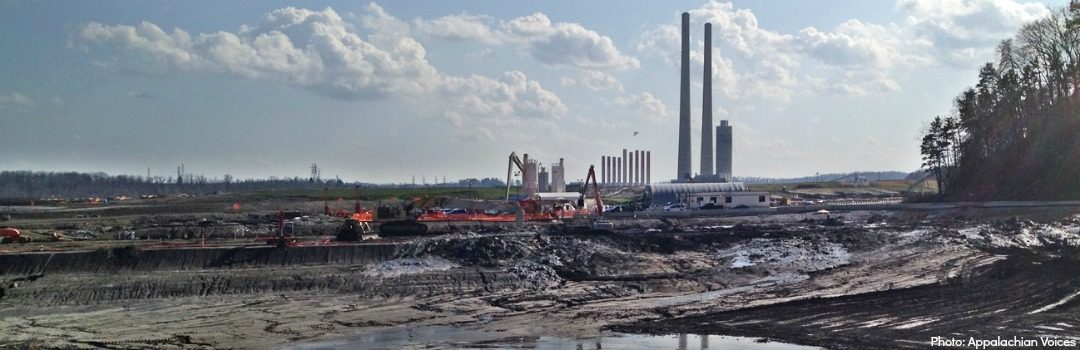
The Coal Ash Threat to Our Health
Most of the discussion about coal’s negative impacts revolves around carbon emissions, but coal ash – the solid byproduct of burning coal – is a significant problem in its own right. The US produces 130 million tons of heavy metal-laden coal ash every year, in communities around the country, and the dump sites are not consistently or adequately regulated. That’s why Rachel’s Network member Mary Bookwalter teamed up with fellow member and Earth Focus producer Raisa Scriabine to produce America’s Dirty Secret: Coal Ash. You can watch the full episode here.
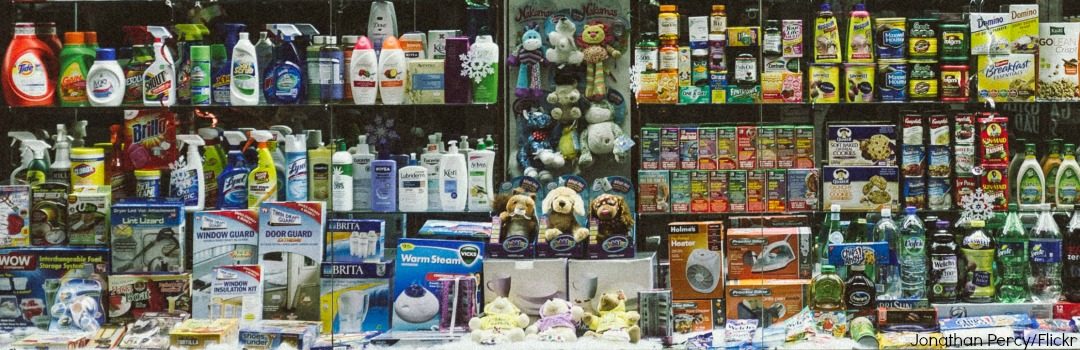
Five Facts About Toxic Chemical Reform
In 1976, the Toxic Substances Control Act (TSCA) was passed with the intention of keeping Americans safe from dangerous chemicals. Not only did the law lack teeth from the start, it hasn’t kept pace with the tens of thousands of new chemicals that have since flooded the market. The result? Americans have become guinea pigs for the chemical industry and science is revealing a host of health impacts from cancer to asthma. Rachel’s Network set out to reinvigorate the chemical reform discussion by producing a short documentary with Earth Focus called UNSAFE: The Truth Behind Everyday Chemicals. Here are five findings from the video that illustrate the dire need for chemical reform.
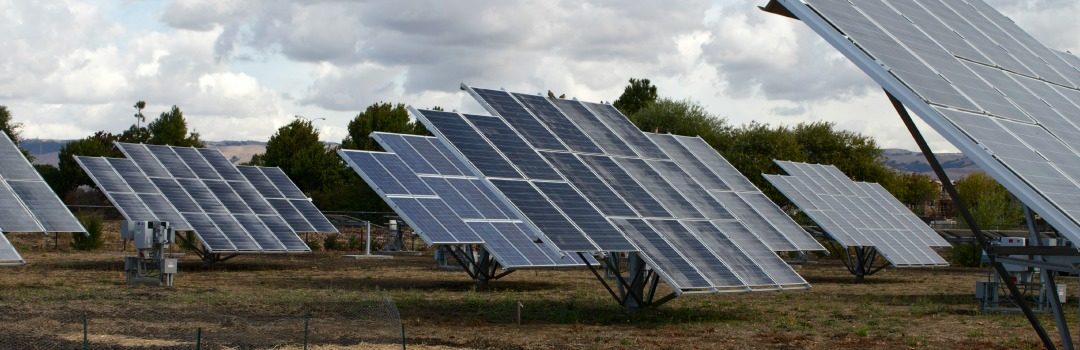
Expert Q&A with Lisa Renstrom, Divest-Invest Philanthropy
Divest-Invest Philanthropy is a coalition of U.S. and global foundations pledged to divest from fossil fuel companies and invest a portion of their assets in the clean energy economy. Members of the Divest-Invest Philanthropy initiative are united around a shared conviction that investments must not undercut philanthropy’s mission to serve the public good. Rather, endowed assets should advance both financial and ethical goals.
2014 Annual Meeting in Washington, D.C.
Crowdfunding, social entrepreneurship, impacting investing: the tools that grantmakers are now using to advance the causes they care about are growing at a rapid pace. In order to tackle our critical environmental problems, philanthropy can’t stand still. We must...
Expert Q&A with Ruth Hennig, John Merck Fund
The John Merck Fund will award its last grants in 2021 and close its doors in 2022, in order to accelerate progress on environmental issues. Ruth Hennig, Director of the Fund, spoke to Rachel’s Network members about why the Fund made the decision to spend down, the progress they’ve made so far, and the impact she hopes this strategy will have over the next decade.
New Earth Focus Film “UNSAFE” Exposes Danger in Everyday Products
A new episode of Earth Focus reveals that Americans are exposed to tens of thousands of synthetic chemicals that are largely unregulated and untested for safety. UNSAFE: The Truth Behind Everyday Chemicals, takes a penetrating look at the health risks behind the most ubiquitous chemicals in ordinary products.
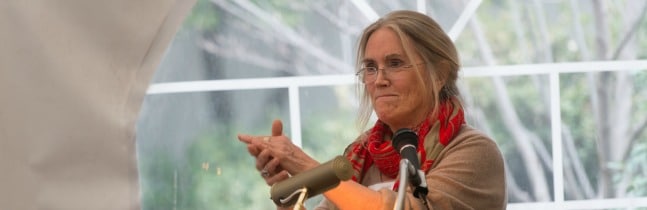
Adelaide Park Gomer on Mission-Related Investing
Adelaide Park Gomer, President of the Park Foundation and chair of the board, realized early on that it was a contradiction to make grants to not-for-profit organizations that, for example, worked to abolish forest clear-cutting, prevent the use of genetically modified foods and reduce toxins in our waterways if the foundation at the same time was invested in corporations responsible for these egregious practices. Gomer decided to reinvest her personal portfolio in a way that would not harm people and the environment. Pleased with the performance of her new portfolio, she took on the challenge of convincing the foundation to follow suit.
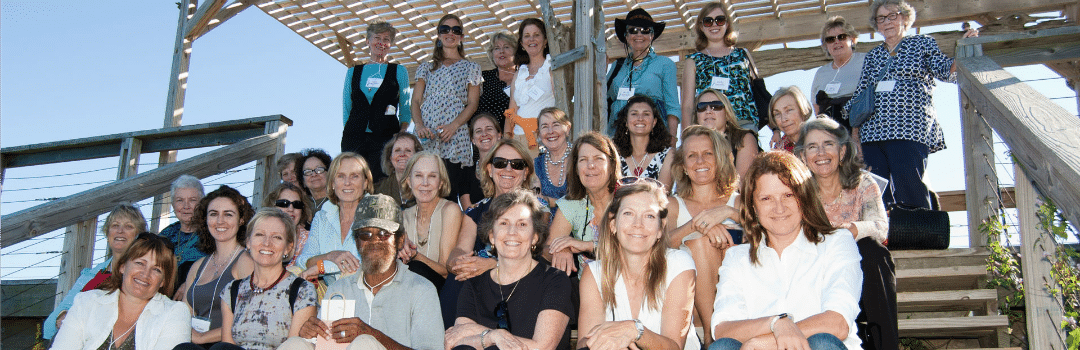
The Rachel’s Network Fellowship
Today, the world is facing unprecedented environmental challenges and we need social entrepreneurs to bring new ideas to light (and to scale) before it’s too late. Women are poised to offer solutions, but they aren’t getting the support they need to take their concepts to the next level. We aim to shift this disparity.