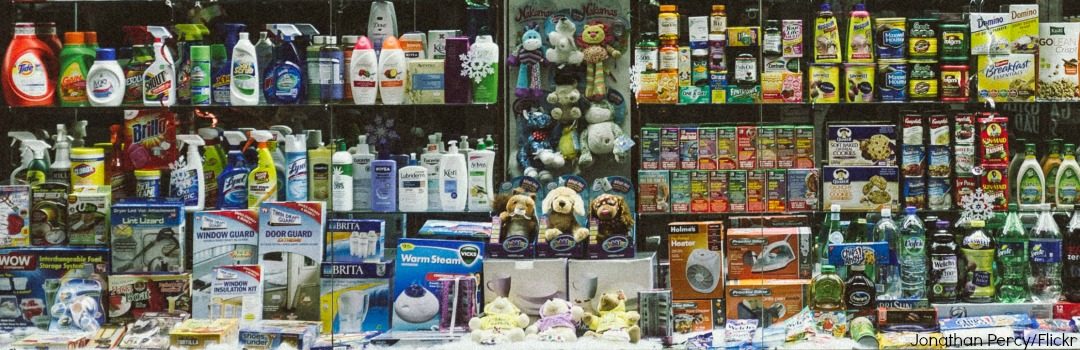
In 1976, the Toxic Substances Control Act (TSCA) was passed with the intention of keeping Americans safe from dangerous chemicals. Not only did the law lack teeth from the start, it hasn’t kept pace with the tens of thousands of new chemicals that have since flooded the market. The result? Americans have become guinea pigs for the chemical industry and science is revealing a host of health impacts from cancer to asthma. Rachel’s Network set out to reinvigorate the chemical reform discussion by producing a short documentary with Earth Focus called UNSAFE: The Truth Behind Everyday Chemicals. Here are five findings from the video that illustrate the dire need for chemical reform.
A new episode of Earth Focus reveals that Americans are exposed to tens of thousands of synthetic chemicals that are largely unregulated and untested for safety. UNSAFE: The Truth Behind Everyday Chemicals, takes a penetrating look at the health risks behind the most ubiquitous chemicals in ordinary products.
The environmental health movement believes in fairness. Large amounts of money from a handful of wealthy people or corporations should not be the key factor in deciding elections or protections from harmful chemicals. But at this moment, the cards are stacked in favor of those who can finance politicians and their campaigns. The cards in that deck affect not only environmental health, but also legislation to control gun violence and other policies that would provide reasonable protections to citizens from harm. For me, the time has come to address the forces that have created this situation: the influence of money in politics.
Judith Robinson, Executive Director of Coming Clean, spoke with Rachel’s Network members about how Coming Clean has built an effective coalition of nonprofits, policy makers, business leaders, and scientists to work together to reform the chemical and fossil fuel industries. We recently followed up with Judy to learn more about her work, and what makes her optimistic about chemical policy reform.
Green Apple Supply is part of a larger movement toward “Compassionate Capitalism,” a model for both nonprofit and for-profit entities that prioritizes passion over profits in order to make a more just, socially-responsible economy the norm, rather than the alternative. I’m striving to make Green Apple Supply a case study for how the healthiest, most environmentally friendly products on the market can also be the most economical. I have faith that businesses can leverage their influence to be a force for good.