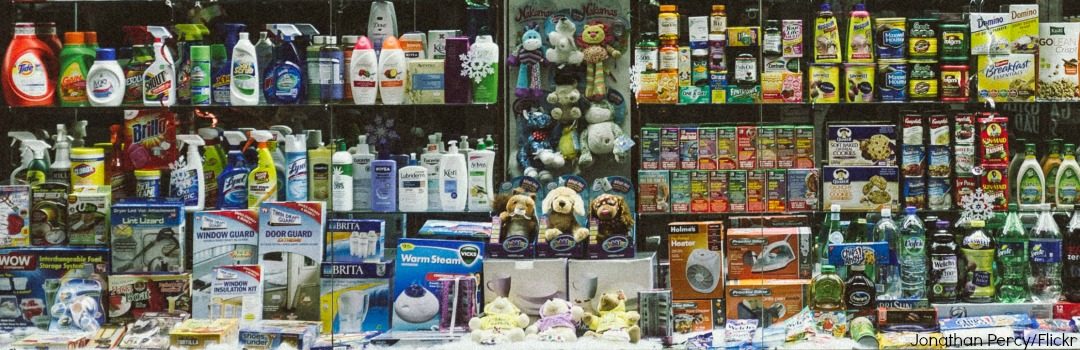
In 1976, the Toxic Substances Control Act (TSCA) was passed with the intention of keeping Americans safe from dangerous chemicals. Not only did the law lack teeth from the start, it hasn’t kept pace with the tens of thousands of new chemicals that have since flooded the market. The result? Americans have become guinea pigs for the chemical industry and science is revealing a host of health impacts from cancer to asthma. Rachel’s Network set out to reinvigorate the chemical reform discussion by producing a short documentary with Earth Focus called UNSAFE: The Truth Behind Everyday Chemicals. Here are five findings from the video that illustrate the dire need for chemical reform.
A new episode of Earth Focus reveals that Americans are exposed to tens of thousands of synthetic chemicals that are largely unregulated and untested for safety. UNSAFE: The Truth Behind Everyday Chemicals, takes a penetrating look at the health risks behind the most ubiquitous chemicals in ordinary products.
Today, the world is facing unprecedented environmental challenges and we need social entrepreneurs to bring new ideas to light (and to scale) before it’s too late. Women are poised to offer solutions, but they aren’t getting the support they need to take their concepts to the next level. We aim to shift this disparity.
Imagine an economy fueled daily by the sun’s energy. Jobs are opening up in sustainable companies that previously struggled to survive in a fossil fuel dependent world. Imagine that this robust, creative economy is no longer undermined by the political power of the fossil fuel industry, that energy markets are driven by consumers rather than by political manipulation and industry leverage. Progressive philanthropy can help turn this vision into reality. Doing so will require divesting from fossil fuels and investing in preferred alternatives: in infrastructure and local efficiencies; in clean energy and technology; and in sustainable agriculture and consumer products.
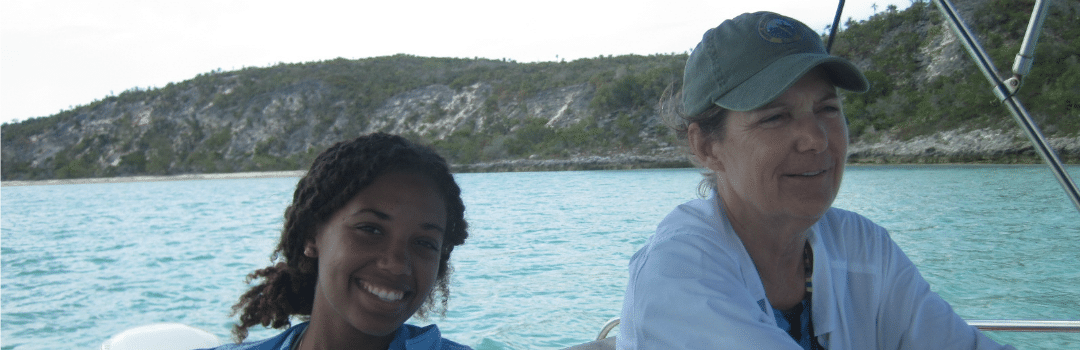
While doing field work in the Bahamas for her master’s degree in marine conservation, Martha Davis experienced firsthand the alarming decline of the islands’ queen conch population, a species of edible mollusk. Her nonprofit, Community Conch, conducts conch population surveys and advocates for conservation efforts to preserve this vital species. “With the support of the Department of Marine Resources and the Bahamas National Trust, we are using the information we collected at stakeholders meetings to reform regulations. It has been very rewarding to present our data at conferences and have scientists from the Bahamas and other Caribbean countries thank us for our work,” Martha says.