When it comes to communicating issues as important as climate change and wildlife poaching, simply conveying the facts won’t do. The best way to inspire action is to lead with the heart, not the head; and one of the most immediate ways to tell a heart story is through film. Film is a passion shared by several Rachel’s Network members, whether it’s Ruth Ann Harnisch’s harrowing 2015 documentary about rape on college campuses or Caroline Gabel’s work with the Environmental Film Festival in the Nation’s Capital. Here are a few of the projects our members have produced in recent years.
AMAZE is harnessing the power of digital media to provide children, young adolescents, their parents, and educators with medically accurate, affirming, and honest sexual health and peer relationship information that can be accessed anytime, anywhere—regardless of where they live or what school they attend.
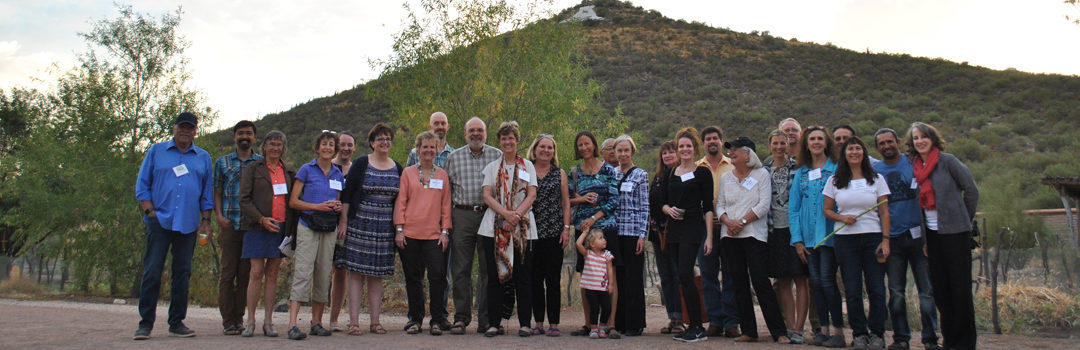
Rachel’s Network has been helping mobilize efforts to fight the US-Mexico border wall, and supporting coalition-building and education through the Sierra Club. Diana Hadley, who chairs our Borderlands Working Group, lives in Tucson and planned a three-day event with grassroots leaders working for fairer outcomes for immigrant populations and safer, healthier environments for border communities.
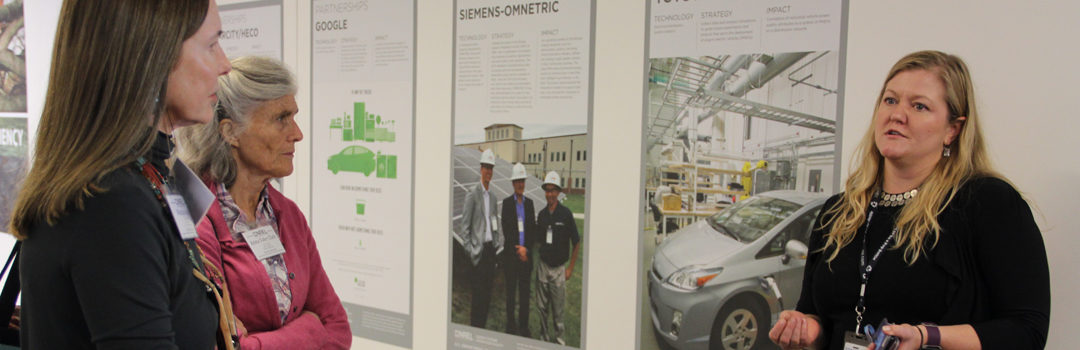
Rachel’s Network has strong roots in Colorado. Home to over a dozen of our members, beautiful national parks, innovative research institutions, and a culture of environmentalism, it was the perfect place for our Fall Retreat after over a decade’s absence. Here’s a summary of our visit and what we learned.
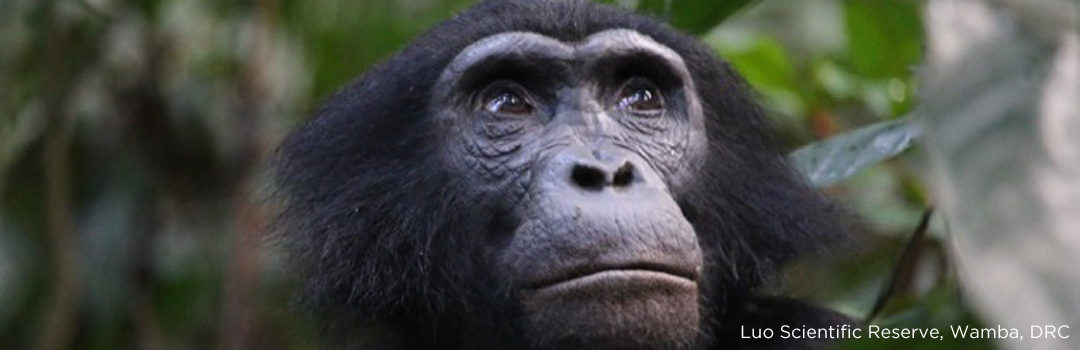
This summer, Rachel’s Network Member Ashley Stone flew into the heart of the Democratic Republic of Congo with Dr. Takeshi Furuichi and Dr. Chie Hashimoto to observe wild bonobos at the Luo Scientific Reserve, the original bonobo research station started in the 1970s by Dr. Takayoshi Kano. She recounts why conservation must address local livelihoods to succeed.