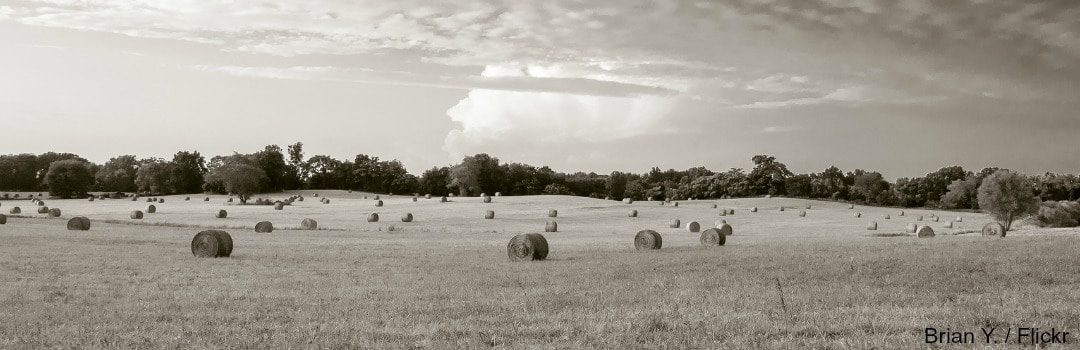
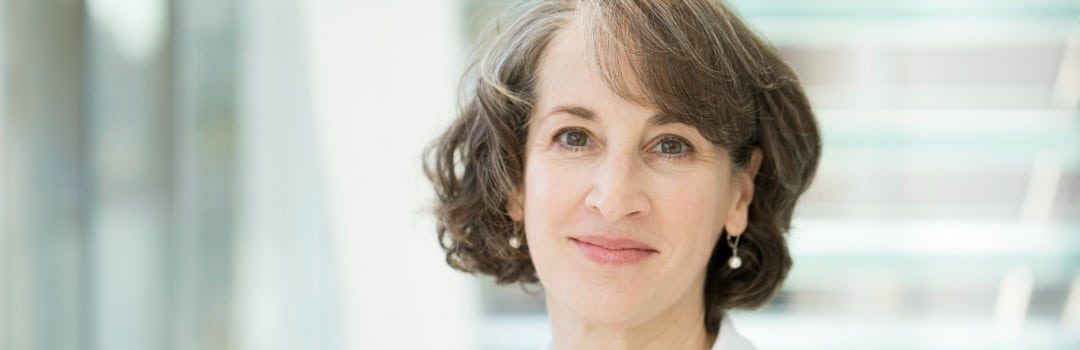
The slow dissolution of one way of life has left many folks in rural places like Grayson County, Virginia feeling forgotten and displaced. Member Charlotte Hanes says we need to support some of the hardest working people our great country has ever produced: the people who feed us. And a good way to do this is to empower women.
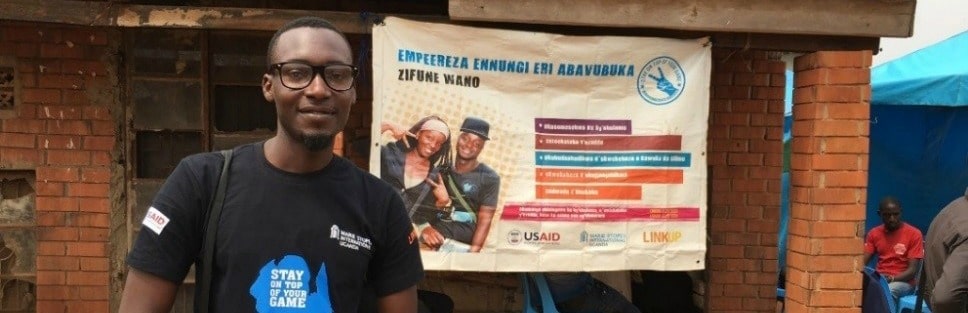
225 million women in developing countries simply want to avoid getting pregnant but face barriers accessing something that costs on average $25/per person per year to deliver. Seema Jalan, executive director of the Universal Access Project and Policy at the United Nations Foundation, explains how family planning services have allowed one man in Uganda to pursue his gift for environmental entrepreneurship, creating positive ripple effects in his community.
Rachel’s Network President Fern Shepard joined almost 100 American religious leaders, health and medical professionals, business executives, community leaders, and educators in a signed message to President-elect Donald Trump calling for a clean-energy future in this country.
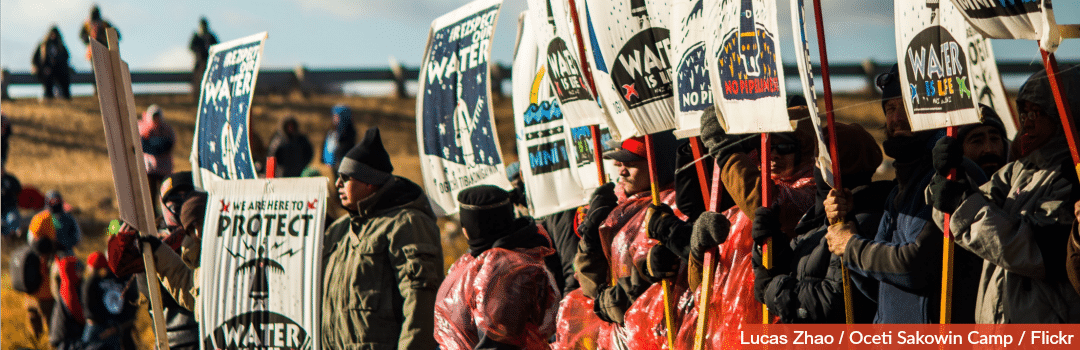
On December 4, 2016, the US Army Corps of Engineers said it would reconsider the Dakota Access Pipeline route. This announcement was met with celebration by those who had been working for months to stop the pipeline, and years to advocate for indigenous rights. Trish Weber talks about the groups on the ground who made this cautious victory possible.
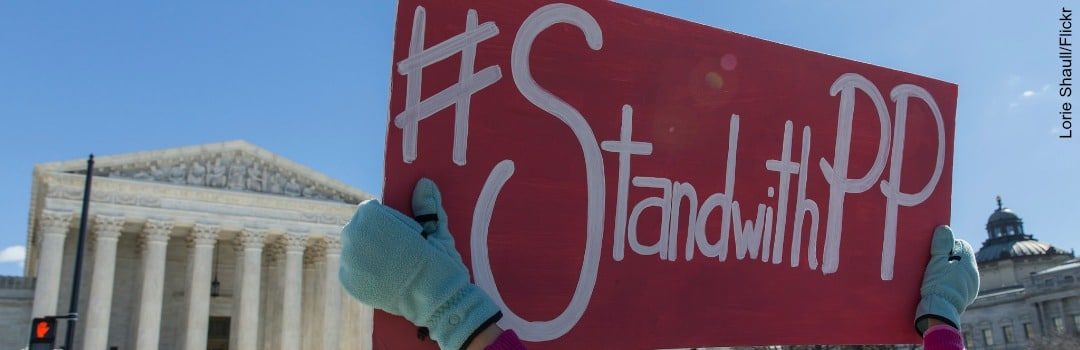
No group does more to reduce unintended pregnancy than Planned Parenthood, says Rachel’s Network Member Janet Miller. Anyone who believes in providing women with high-quality reproductive health care — and who supports eliminating the need for abortion in the first place — should insist that Planned Parenthood remain funded.