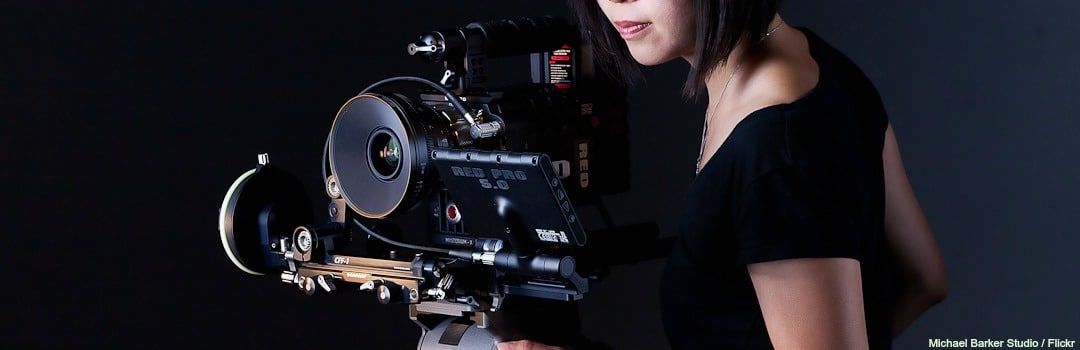
When it comes to communicating issues as important as climate change and wildlife poaching, simply conveying the facts won’t do. The best way to inspire action is to lead with the heart, not the head; and one of the most immediate ways to tell a heart story is through film. Film is a passion shared by several Rachel’s Network members, whether it’s Ruth Ann Harnisch’s harrowing 2015 documentary about rape on college campuses or Caroline Gabel’s work with the Environmental Film Festival in the Nation’s Capital. Here are a few of the projects our members have produced in recent years.
Backed by Rachel’s Network, As You Sow launched its antibiotics shareholder initiative in 2015, working directly with company management to establish better policies and practices. By exerting shareholder power directly with corporations and working with other shareholder advocates like the Interfaith Center on Corporate Responsibility (ICCR) and Green Century, As You Sow has secured strong antibiotics commitments from several of the nation’s largest restaurant companies.
After a year of campaign rallies featuring inflammatory “Build the Wall” rhetoric, President Trump is pushing for massive new walls along the US-Mexico border. In response, Rachel’s Network and the Sierra Club have partnered to draw the public’s attention to the landscapes and communities threatened by border walls, strengthen the coalition fighting these projects, and develop a legal strategy to resist further construction.
There’s no denying 2016 was a thorny year for women and the environment. But in the days following the election, we’ve seen a renewed interest in collective action across our network and in the larger society. In our 2016 Annual Report, you’ll learn how Rachel’s Network fills a vital role in the movement for a better world.
To harness the incredible energy of climate activists since the election, a coalition of environmental and women’s groups will offer a free training to pro-environment women who want to run for office on April 30, the day after the People’s Climate March in Washington, DC.
Using 2006-2015 data from the League of Conservation Voters (LCV) Environmental Scorecard, Rachel’s Network found that women federal legislators vote for environmental protections more often than their male counterparts in both the House and Senate.