We are proud to have seen the difference our network of women made in 2017, from supporting a coalition campaigning against the damaging US-Mexico border wall and launching our When Women Lead report lauding the environmental records of women in Congress, to elevating women environmental leaders through our Ashoka Fellowship, and more.
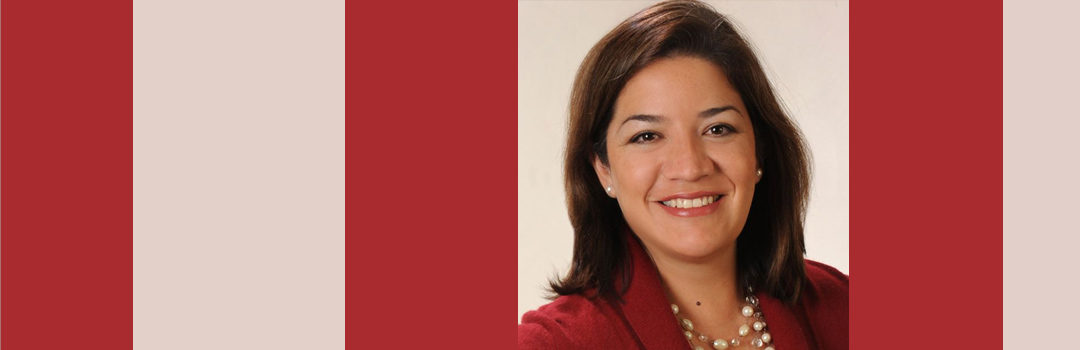
Hispanic Access Foundation (HAF) Founder, President, and CEO Maite Arce, a leader at the intersection of Latino advocacy and conservation, has joined the nonprofit funders’ network Rachel’s Network as an advisor. Maite guides HAF in its mission to build bridges that connect Latino communities with the opportunities and partners they need for a better life.
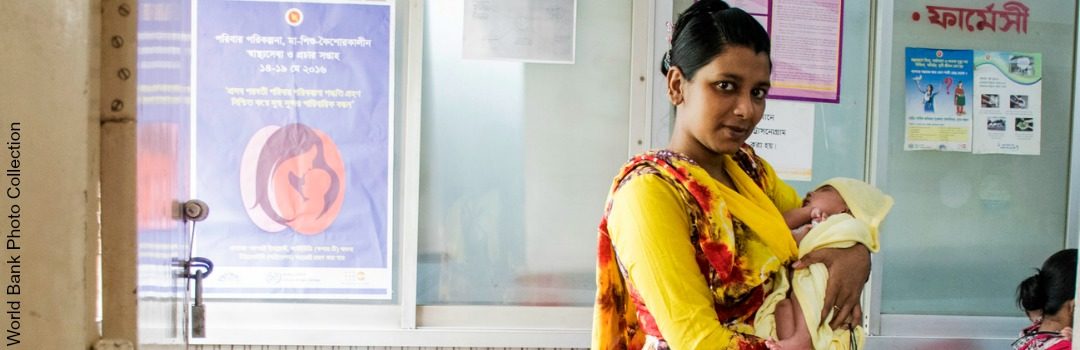
On April 11th a group of Rachel’s Network members had the opportunity to hear remarks from John Podesta of the Center for American Progress on “Women’s rights issues are climate change issues.” The evidence is clear: voluntary family planning empowers women, improves health and resilience, and ultimately reduces the human footprint on the planet.
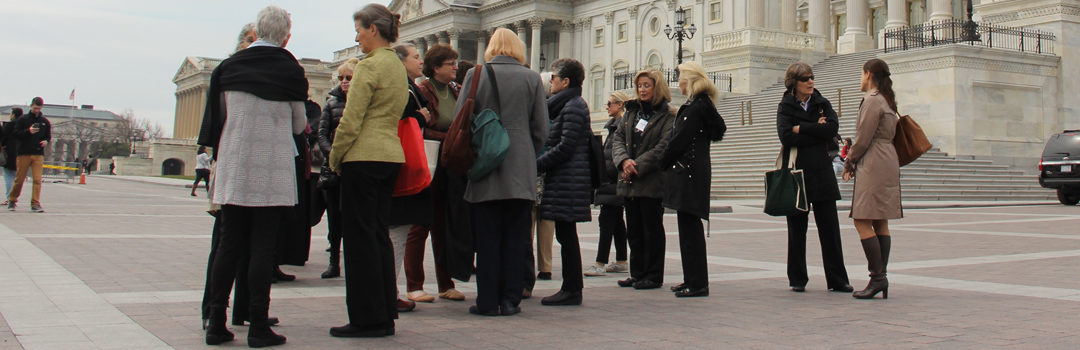
Rachel’s Network members met in Washington, DC in March for our annual meeting to take clear-eyed look the current political environment, reflect on what works in our philanthropy, and think long-term about the sustainable world we want to bring about.
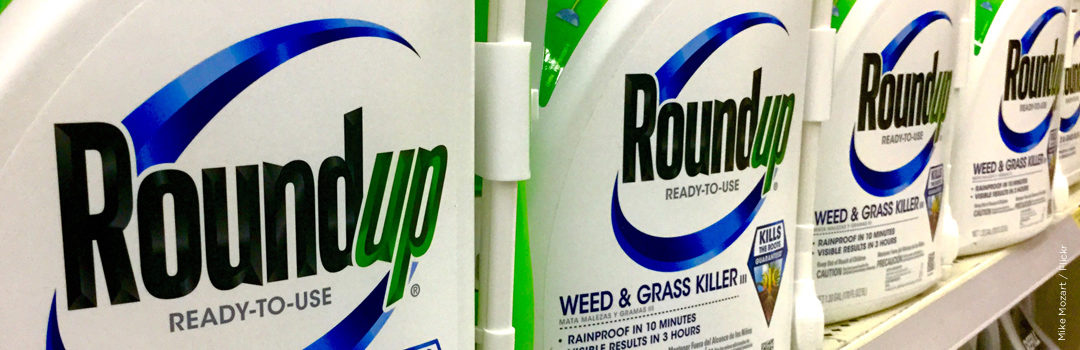
To better document the health impacts of corporate manipulation of data, Rachel’s Network members have pledged $50,000 over two years to help University of California San Francisco’s (UCSF) Chemical Industry Documents Archive add over 40,000 documents on glyphosate.
Rachel’s Network members serve on the boards of many different environmental and conservation organizations. We help members like Kimberley reach their potential as funders, board members, and advocates through a board placement program, events, connections to experts, and discussion forums.