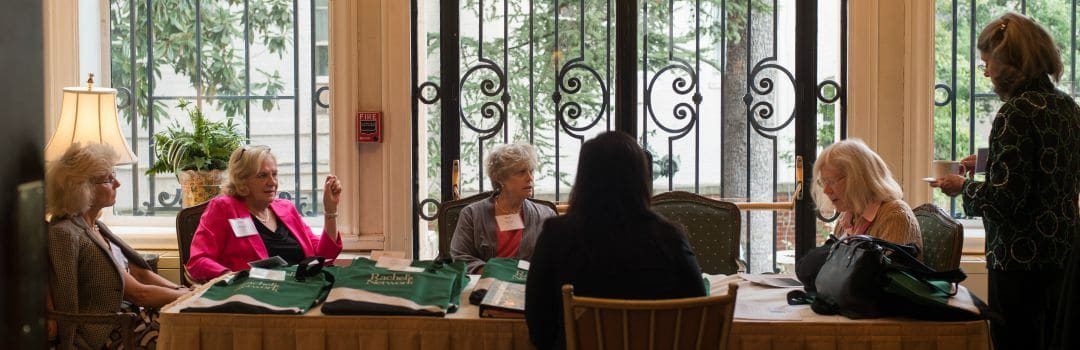
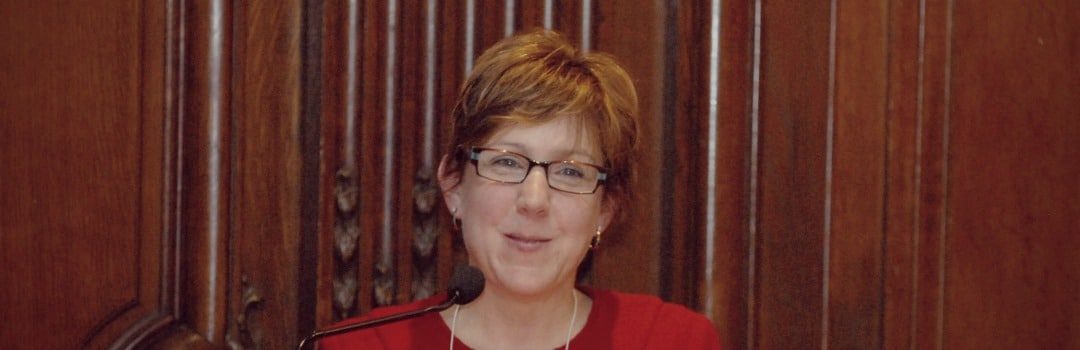
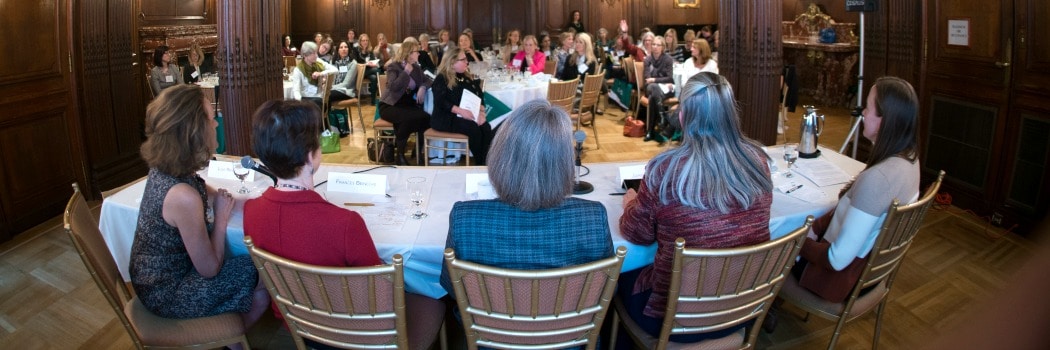
Trish Silber, president of Aliniad Consulting Partners, shared core trends in board leadership and organizational change management with members of Rachel’s Network. She introduced her tiered board leadership framework that recognizes the multiple responsibilities of nonprofit boards, and the range of ways directors think about their role. Here, Trish shares her thoughts about leadership for nonprofit board members.
It’s well-documented that women and people of color are underrepresented in the leadership of large environmental groups. A number of environmental NGOs and foundations are taking steps to address the problem by pledging to submit their diversity data through Green 2.0. In light of this project, we reached out to Rachel’s Network Liaisons, women CEOs of major environmental nonprofits, to ask them about their own organizations’ diversity initiatives.
Rachel’s Network Advisor Debbie Walsh is among the 21 Leaders for the 21st Century recognized by Women’s eNews. The publication cites Walsh for her commitment to “changing the gender profile of those running for office and pushing for more women in every level of government.”
Heather Taylor-Miesle, director of the NRDC Action Fund, and Rachel’s Network Advisor Debbie Walsh, director of the Center for American Women and Politics, joined members of Rachel’s Network after the midterm elections to discuss the role environmental issues played this campaign cycle and how women candidates are faring. Here they look to the future and talk about how their work is bringing positive change to the environment and women’s leadership.
As we learned from our 2011 report “When Women Lead,” women legislators, regardless of party affiliation, vote in favor of environmental protections more often than their male counterparts. Clearly, we need women on both sides of the aisle to advance policy, especially environmental policy. But the vast majority of women in Congress are Democrats; they outnumber Republican congresswomen three to one. Why is this and how can we address this gap? Rachel’s Network has partnered with Political Parity to identify the challenges Republican women face when running in primary elections.