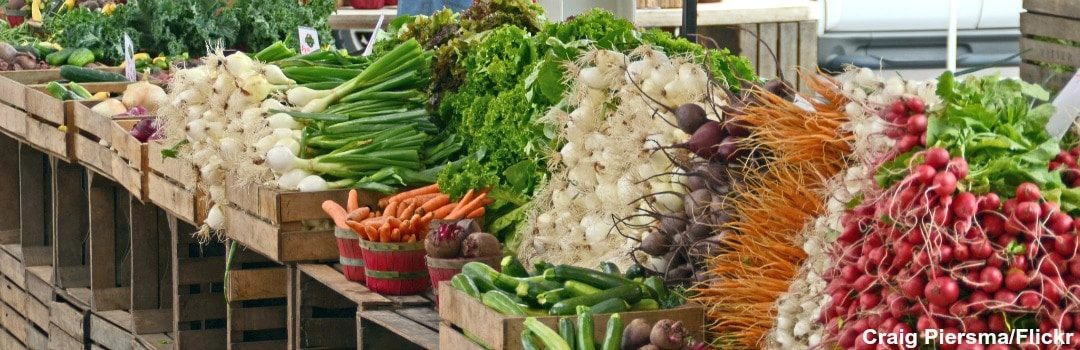
Last year, Rachel’s Network Member Betsy Fink and her husband Jesse approached like-minded philanthropists to launch ReFED: “Rethinking Food Waste through Economics and Data: A Roadmap to Reduce Food Waste”. The economic analysis and research they undertook revealed exciting news: Food waste is a solvable problem. Their new report maps a path for action.
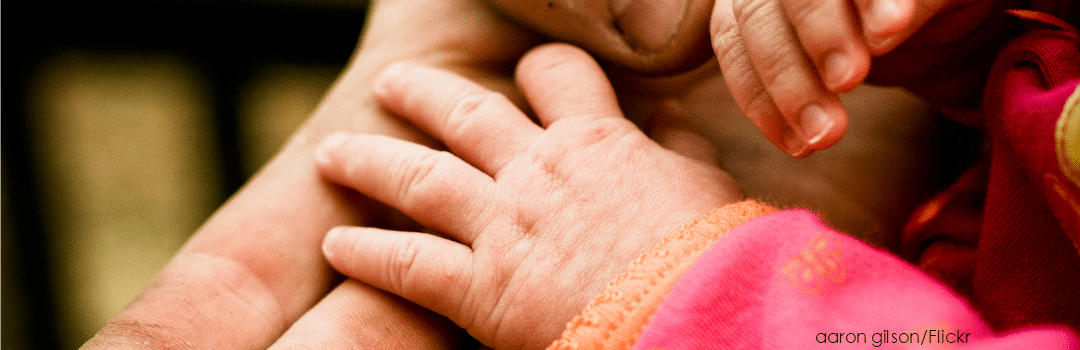
The Forsythia Foundation believes it is much more efficient to prevent disease-causing chemical exposures than it is to treat diseases. This is why it invests in projects that create safer, greener products—and projects that drive demand for those very products. To that end, Forsythia is proud to be a part of Healthy Babies, Bright Futures (HBBF), an alliance of donors, scientists, and nonprofit organizations that build and support initiatives that reduce exposures of neurotoxic chemicals in the first thousand days of a baby’s development.
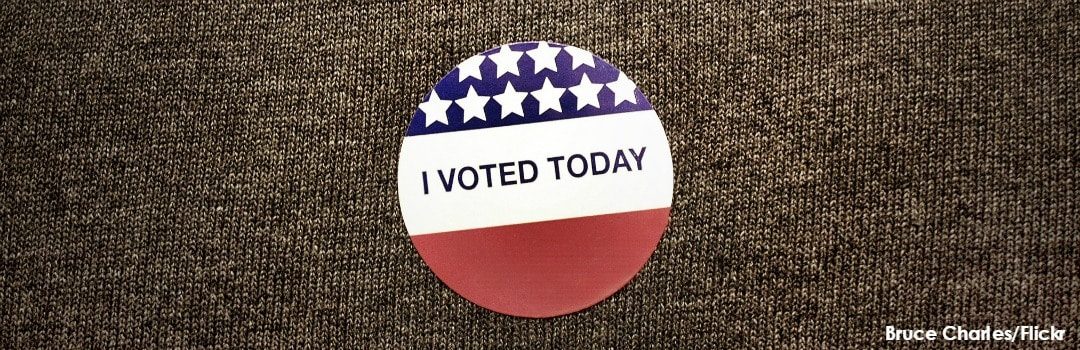
Many of us now realize that climate change and other environmental issues have become – quite literally – existential problems. So why are politicians still so unwilling to pass the laws and regulations that we desperately need? Nathaniel Stinnett, Founder & CEO of the Environmental Voter Project, explains how his organization is working to get out the environmental vote in the next election and beyond.
The conventional definition of power as a hierarchical, brute force isn’t working anymore. This month, Rachel’s Network members and guests will gather in Washington, DC for our Annual Meeting: Catalyzing our Collective Power. There we’ll discuss ways to grow new, more collaborative forms of power to address the big challenges we face today. The speakers joining us are well-equipped to tackle these challenges.
Implicit bias in philanthropy affects not just which groups get funded but also who sits on the boards of philanthropic organizations (mostly white males), how grantmaking foundations set priorities, how decisions are made, who makes those decisions and even who gets hired. john a. powell, director of the Haas Institute for a Fair and Inclusive Society, explains how we can take steps to recognize our own implicit bias and work to build a more equitable world.