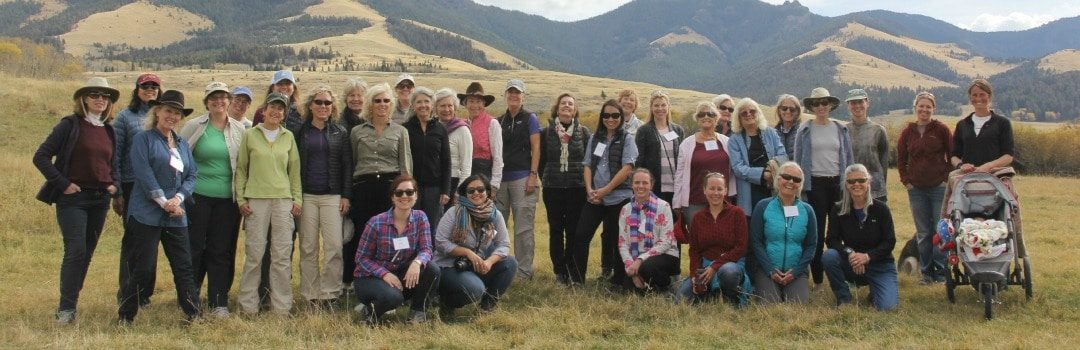
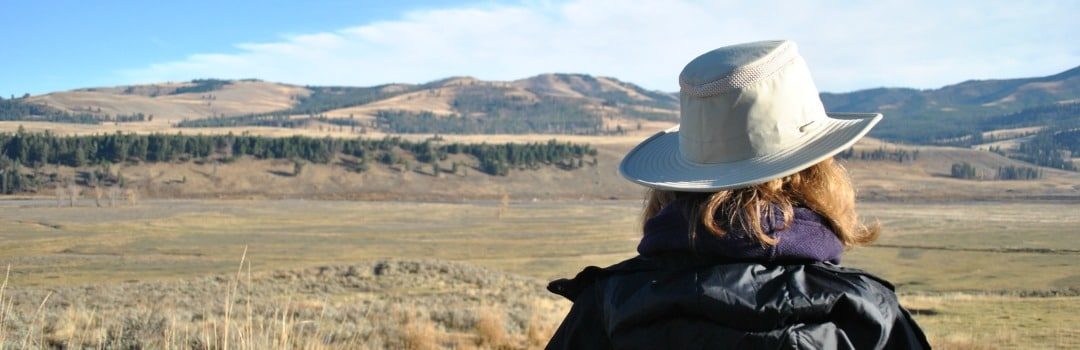
In October, Rachel’s Network members and guests traveled to Yellowstone National Park for our 2015 Fall Retreat. In addition to visiting some of Yellowstone’s most dynamic landscapes, we heard from top experts in wildlife conservation, park management, climate change, and sustainable ranching.
In this Q&A we hear from Theresa Pierno, the new president and chief executive officer of the National Parks Conservation Association (NPCA). Theresa is the first woman to serve as NPCA’s president in its 96-year history. Here, she shares her thoughts on the state of America’s national parks, her career in conservation, and the women leaders who inspire her.
In a world of unchecked development and climate change, conservation is no longer simply about protecting land. It’s about changing systems and helping people to rethink the ways they interact with the natural world in their daily lives. “From the mountains, to the prairies,” Rachel’s Network members are preserving some of our country’s most ecologically important and beautiful landscapes, and doing it in a way that acknowledges and works with this human element.
Rachel Carson’s lessons go far beyond “Silent Spring.” Her love for nature and personal courage in the face of adversity speaks to all of us today. “The Power of One Voice” is a new documentary film that introduces Rachel Carson to modern audiences. The film shows how Rachel Carson came to her conviction that humans are deeply connected to other living things, and why we must avoid harming the natural world.
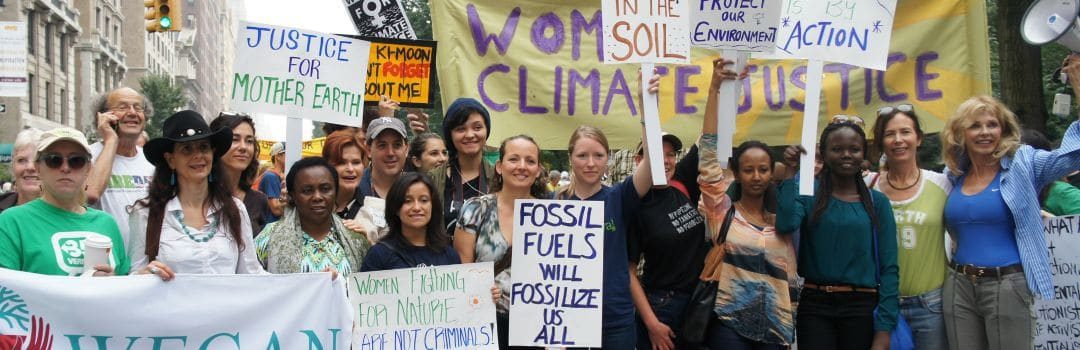
This December, world leaders will gather for the United Nations COP21 climate negotiations in Paris, where they will work to finalize an international climate agreement. Aware of the critical nature of this moment, the Women’s Earth & Climate Action Network (WECAN International) is connecting and mobilizing women for climate justice across the globe. The Global Women’s Climate Justice Day of Action on September 29th is an opportunity for women and allies around the world to tell stories about the climate impacts they are facing and demonstrate why uplifting women’s struggles, insights, and solutions is so vital.