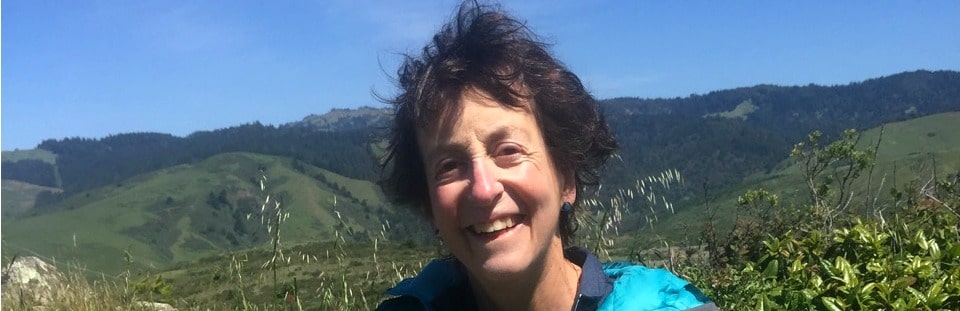
Abigail Rome Joins American Rivers Board of Trustees
American Rivers’ Board of Trustees announced that Rachel’s Network Member Abigail Rome has joined the prominent conservation group’s board, effective immediately.
American Rivers’ Board of Trustees announced that Rachel’s Network Member Abigail Rome has joined the prominent conservation group’s board, effective immediately.
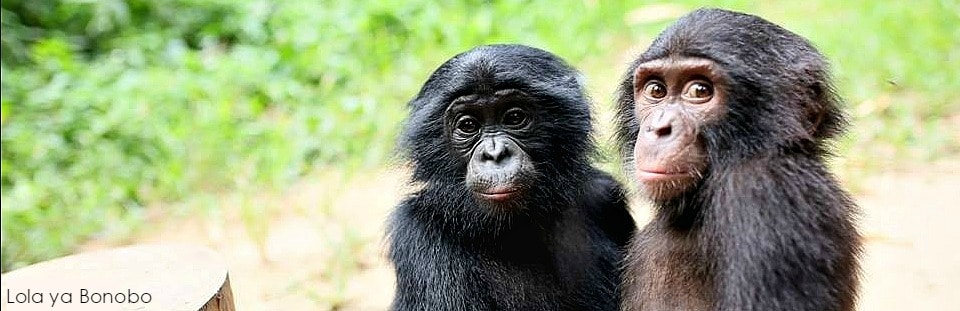
When faced with all that is wrong with the world, is there room for hope, love, or even a little compassion? Rachel’s Network Member Ashley Stone proposes that we look to our closest living genetic relative – the relatively unknown Bonobo, to find inspiration for our future. Ashley’s organization The Bonobo Project is working to protect bonobos in the wild and build awareness around their plight.
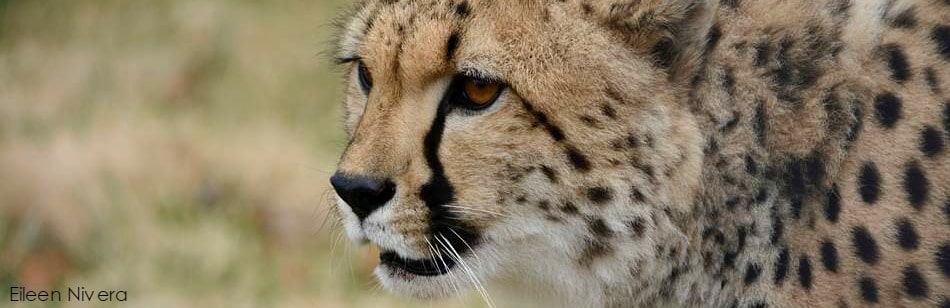
Aided by cutting-edge research in endocrinology, genetics, GIS, and more; today’s conservationists pack an arsenal of sophisticated tools to help save the world’s most threatened species. Much of this significant research is happening in a rather unlikely place: the rural Virginia countryside. Several Rachel’s Network members support the Smithsonian Conservation Biology Institute, and we traveled there in March to see their work firsthand.
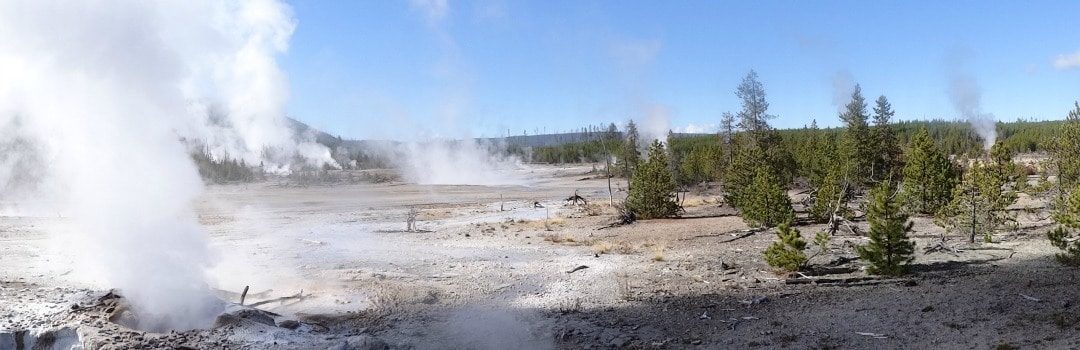
As we move into the Centennial year of the National Park Service, we all want more support for our parks—more stewards to continue protection of our parks’ natural and cultural resources, more engagement with visitors, more educational opportunities, and more funding. In order to grow this support for our nation’s oldest park, Yellowstone National Park’s two nonprofit partners have decided to merge. Yellowstone Park Foundation and Yellowstone Association’s respective leaders explain why and how they decided to undertake this merger.
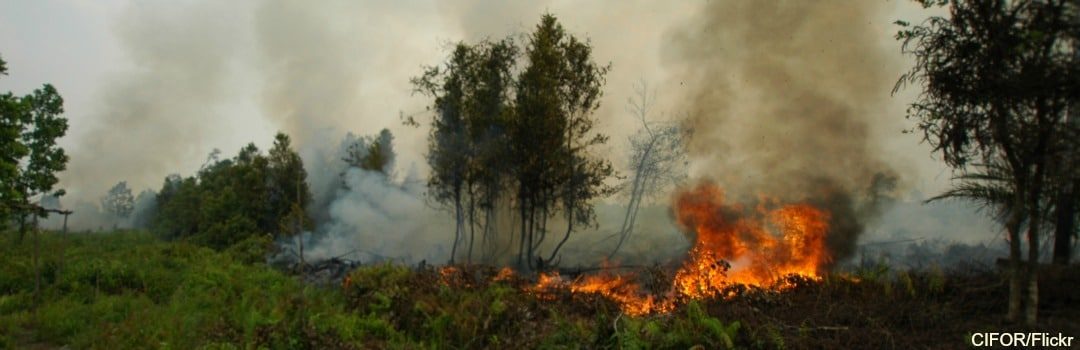
The recent Indonesian forest fires have been called the worst disaster in 20 years – for people, for wildlife, for Borneo’s rich rainforest, and for the Earth. Rachel’s Network Member Caroline Gabel writes about how she’s worked with a small nonprofit in nearby Malaysia to develop alternative economies that could serve as a model for Indonesia, where human activities are wreaking havoc on the forest.