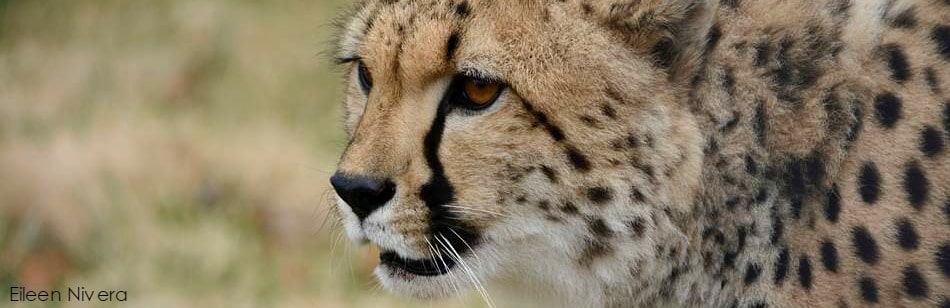
Aided by cutting-edge research in endocrinology, genetics, GIS, and more; today’s conservationists pack an arsenal of sophisticated tools to help save the world’s most threatened species. Much of this significant research is happening in a rather unlikely place: the rural Virginia countryside. Several Rachel’s Network members support the Smithsonian Conservation Biology Institute, and we traveled there in March to see their work firsthand.
The conventional definition of power as a hierarchical, brute force isn’t working anymore. This month, Rachel’s Network members and guests will gather in Washington, DC for our Annual Meeting: Catalyzing our Collective Power. There we’ll discuss ways to grow new, more collaborative forms of power to address the big challenges we face today. The speakers joining us are well-equipped to tackle these challenges.
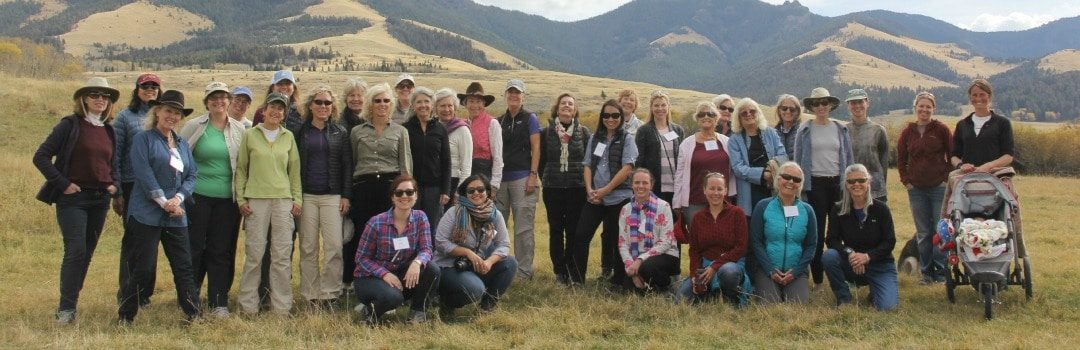
In October, Rachel’s Network members and guests traveled to Yellowstone National Park for our 2015 Fall Retreat. In addition to visiting some of Yellowstone’s most dynamic landscapes, we heard from top experts in wildlife conservation, park management, climate change, and sustainable ranching.
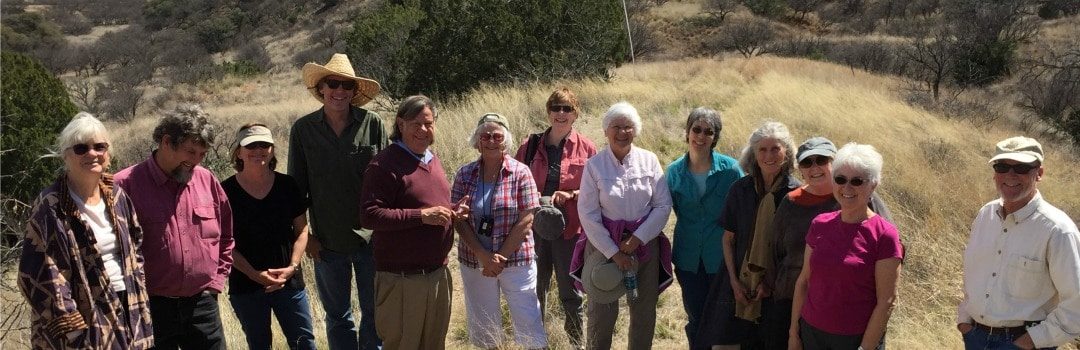
“Preposterously beautiful.” That’s how novelist Jim Harrison once described Patagonia, Arizona, a town on the edge of the Sonoran Desert. Rachel’s Network members confirmed this view on a recent trip to the Sky Island region where they learned about local efforts to preserve this unique and biodiverse landscape. The trip was led by local Rachel’s Network Member Diana Hadley who supports a number of conservation programs on both sides of the US-Mexico border and possesses an encyclopedic knowledge of the area.
Crowdfunding, social entrepreneurship, impacting investing: the tools that grantmakers are now using to advance the causes they care about are growing at a rapid pace. In order to tackle our critical environmental problems, philanthropy can’t stand still. We must...