
Abigail Rome Joins American Rivers Board of Trustees
American Rivers’ Board of Trustees announced that Rachel’s Network Member Abigail Rome has joined the prominent conservation group’s board, effective immediately.
American Rivers’ Board of Trustees announced that Rachel’s Network Member Abigail Rome has joined the prominent conservation group’s board, effective immediately.

Thu Pham announced she will step down as president of Rachel’s Network, a nonprofit devoted to the environment, philanthropy, and women’s leadership. Pham will continue as president during the search for her successor.
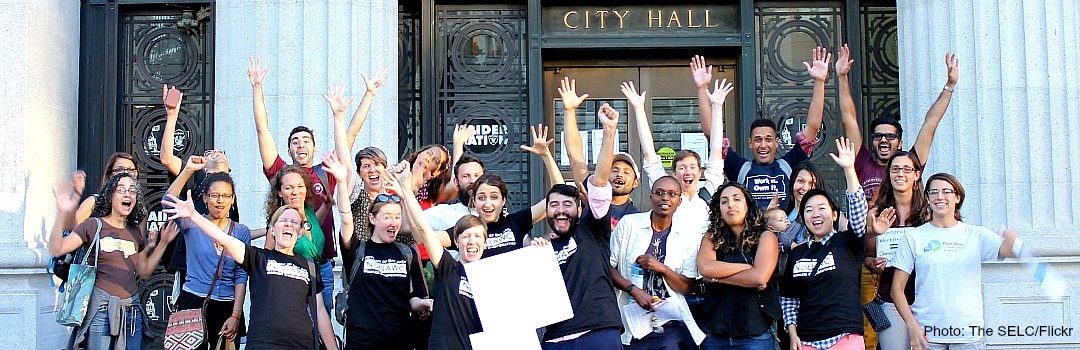
Janelle Orsi is one of the leading experts on the sharing economy, a growing movement that applies collaboration to utilize a community’s resources for the common good. Founder of the Sustainable Economies Law Center (SELC) and an Ashoka Fellow supported by Rachel’s Network, Janelle shared this update on how her work is evolving as a result of the Fellowship.

The conventional definition of power as a hierarchical, brute force isn’t working anymore. This month, Rachel’s Network members and guests will gather in Washington, DC for our Annual Meeting: Catalyzing our Collective Power. There we’ll discuss ways to grow new, more collaborative forms of power to address the big challenges we face today. The speakers joining us are well-equipped to tackle these challenges.

Implicit bias in philanthropy affects not just which groups get funded but also who sits on the boards of philanthropic organizations (mostly white males), how grantmaking foundations set priorities, how decisions are made, who makes those decisions and even who gets hired. john a. powell, director of the Haas Institute for a Fair and Inclusive Society, explains how we can take steps to recognize our own implicit bias and work to build a more equitable world.