
Fighting Food Waste with Betsy Fink
Of all food produced in the United States, 30-40% is wasted. The Betsy and Jesse Fink Foundation is working to address the problem.

Of all food produced in the United States, 30-40% is wasted. The Betsy and Jesse Fink Foundation is working to address the problem.
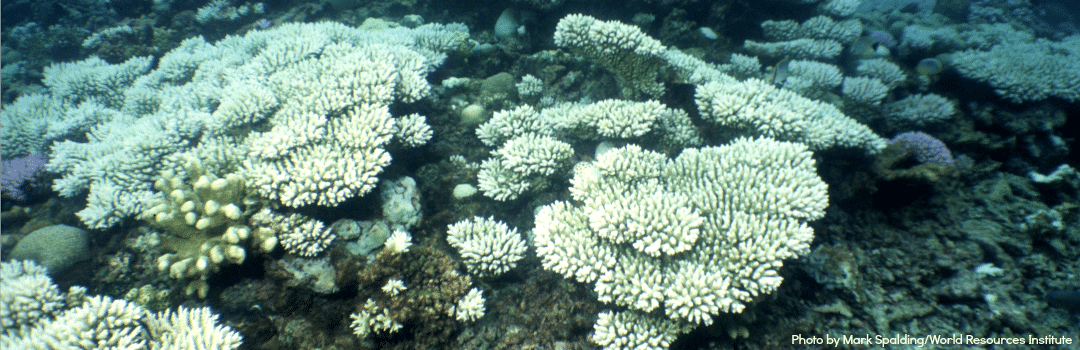
June 8th marks World Oceans Day, finally designated by the UN in 2010 to recognize the needs and contributions of 70% of the planet. Nowhere can we see more clearly the effects of the multiple stressors of a changing planet than in the shifting currents, changing chemistry, and warming waters of our global ocean. Ocean acidification (OA) is the term we have given to the changing chemistry. So what does it mean and how does it happen?
Adelaide Park Gomer, President of the Park Foundation and chair of the board, realized early on that it was a contradiction to make grants to not-for-profit organizations that, for example, worked to abolish forest clear-cutting, prevent the use of genetically modified foods and reduce toxins in our waterways if the foundation at the same time was invested in corporations responsible for these egregious practices. Gomer decided to reinvest her personal portfolio in a way that would not harm people and the environment. Pleased with the performance of her new portfolio, she took on the challenge of convincing the foundation to follow suit.
Imagine an economy fueled daily by the sun’s energy. Jobs are opening up in sustainable companies that previously struggled to survive in a fossil fuel dependent world. Imagine that this robust, creative economy is no longer undermined by the political power of the fossil fuel industry, that energy markets are driven by consumers rather than by political manipulation and industry leverage. Progressive philanthropy can help turn this vision into reality. Doing so will require divesting from fossil fuels and investing in preferred alternatives: in infrastructure and local efficiencies; in clean energy and technology; and in sustainable agriculture and consumer products.

I recently left my job as a naturalist and environmental educator in order to teach environmental education in underserved neighborhoods in Milwaukee. I did this because I know that soon, the next generation of children will be making the personal and public policy decisions that will profoundly affect the planet. This generation of children has had the least exposure to nature of any generation in human history. Many inner-city neighborhoods lack safe, attractive outdoor spaces for wandering, experimenting, building, observing, and exploring. Without a positive personal relationship to the land as children, they will not be compelled to preserve it as adults.