News
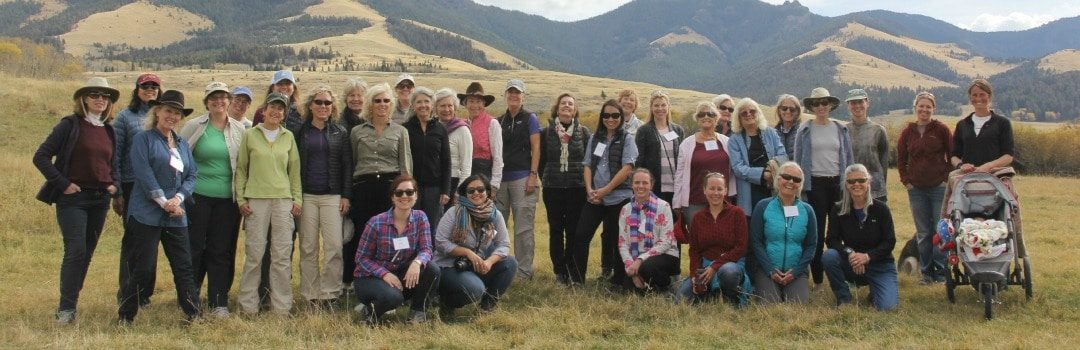
Rachel’s Network Visits Yellowstone National Park
In October, Rachel’s Network members and guests traveled to Yellowstone National Park for our 2015 Fall Retreat. In addition to visiting some of Yellowstone’s most dynamic landscapes, we heard from top experts in wildlife conservation, park management, climate change, and sustainable ranching.
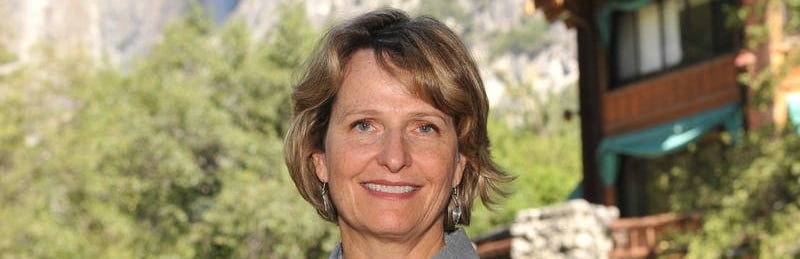
Expert Q&A with NPCA President Theresa Pierno
In this Q&A we hear from Theresa Pierno, the new president and chief executive officer of the National Parks Conservation Association (NPCA). Theresa is the first woman to serve as NPCA’s president in its 96-year history. Here, she shares her thoughts on the state of America’s national parks, her career in conservation, and the women leaders who inspire her.
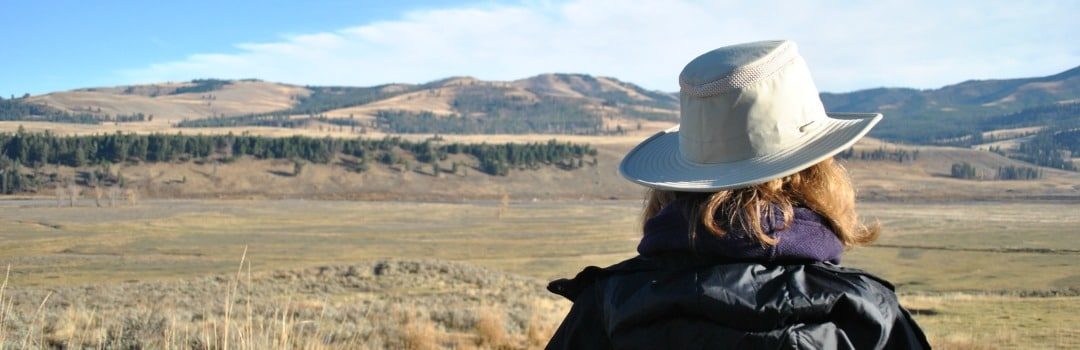
The Human Side of Conservation
In a world of unchecked development and climate change, conservation is no longer simply about protecting land. It’s about changing systems and helping people to rethink the ways they interact with the natural world in their daily lives. “From the mountains, to the prairies,” Rachel’s Network members are preserving some of our country’s most ecologically important and beautiful landscapes, and doing it in a way that acknowledges and works with this human element.
The Power of One Voice – Celebrating the Life of Rachel Carson
Rachel Carson’s lessons go far beyond “Silent Spring.” Her love for nature and personal courage in the face of adversity speaks to all of us today. “The Power of One Voice” is a new documentary film that introduces Rachel Carson to modern audiences. The film shows how Rachel Carson came to her conviction that humans are deeply connected to other living things, and why we must avoid harming the natural world.
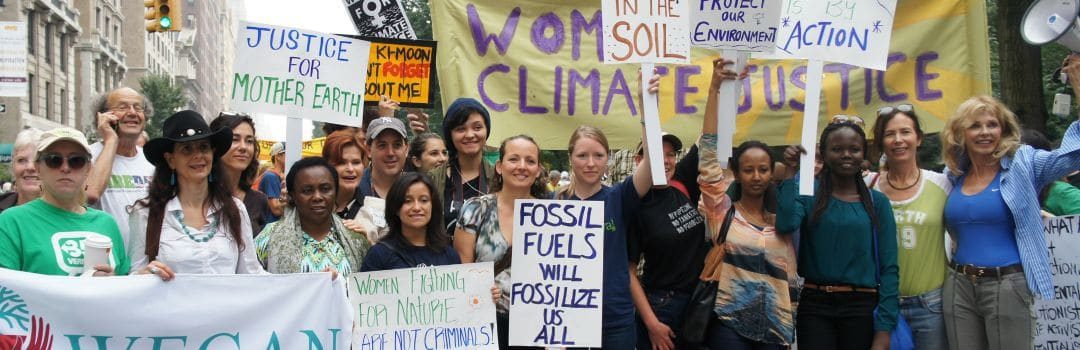
Women’s Leadership Vital to Climate Action
This December, world leaders will gather for the United Nations COP21 climate negotiations in Paris, where they will work to finalize an international climate agreement. Aware of the critical nature of this moment, the Women’s Earth & Climate Action Network (WECAN International) is connecting and mobilizing women for climate justice across the globe. The Global Women’s Climate Justice Day of Action on September 29th is an opportunity for women and allies around the world to tell stories about the climate impacts they are facing and demonstrate why uplifting women’s struggles, insights, and solutions is so vital.
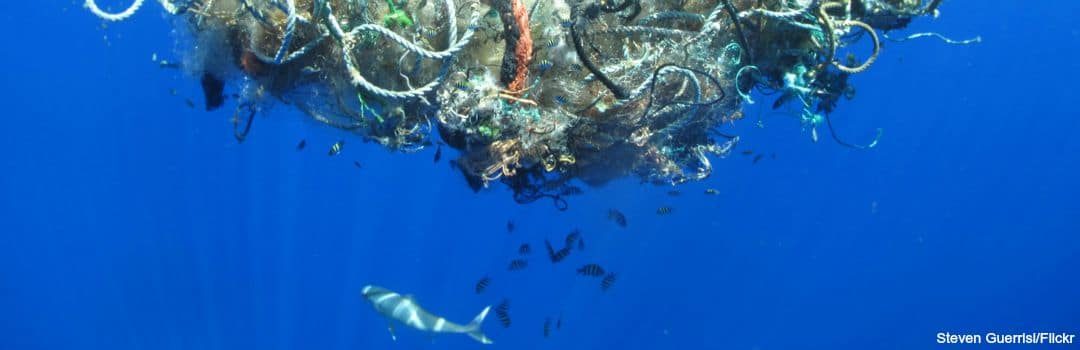
Battling Plastic Pollution in the Oceans
While much has been written on this vast stretch of plastic soup in the ocean, we know relatively little about the Great Pacific Garbage Patch and its impacts on the ecosystem. The recent Mega Expedition hopes to give researchers a better picture of the problem and what we could do to solve it. In the meantime, Rachel’s Network members are supporting the organizations that are fighting plastic pollution at the source and developing more sustainable packaging and supply chains.
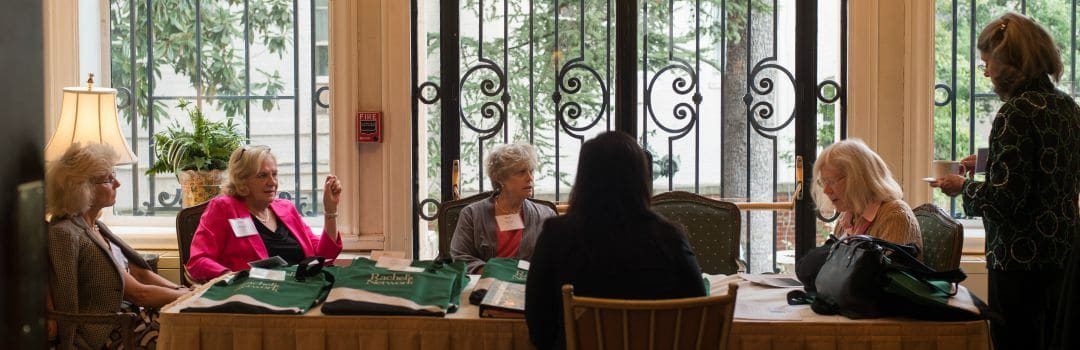
Expert Q&A with Trish Silber, Leadership Coach
Trish Silber, president of Aliniad Consulting Partners, shared core trends in board leadership and organizational change management with members of Rachel’s Network. She introduced her tiered board leadership framework that recognizes the multiple responsibilities of nonprofit boards, and the range of ways directors think about their role. Here, Trish shares her thoughts about leadership for nonprofit board members.
How Family Forests Can Fight Climate Change
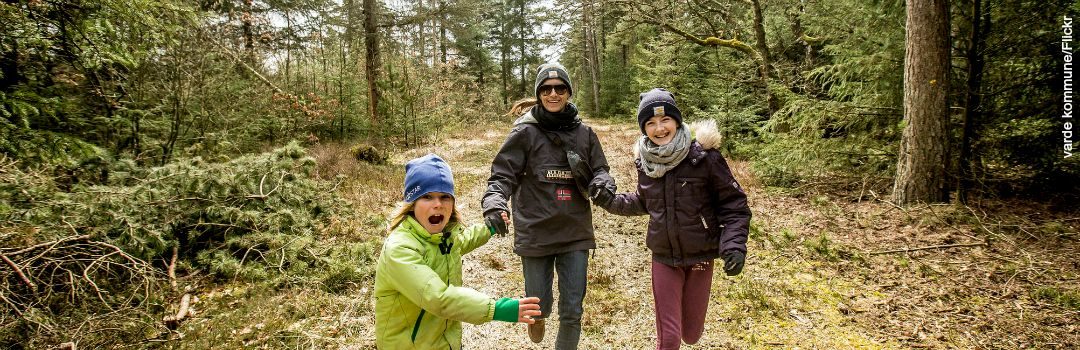
Family forest owners, who care for more than one-third of the nation’s forests, can see the effects of climate change on their land firsthand: they’re seeing changes in growing cycles, extreme rainfall variations, increased insect and disease infestations, and uncontrollable wildfires, among other impacts. Despite these threats, forests are also an important part of the solution to climate change. Tom Martin, president and CEO of the American Forest Foundation, explains how family forest owners can help solve this great challenge.
Expert Q&A with Sustainable Food Advocate Dawn Brighid
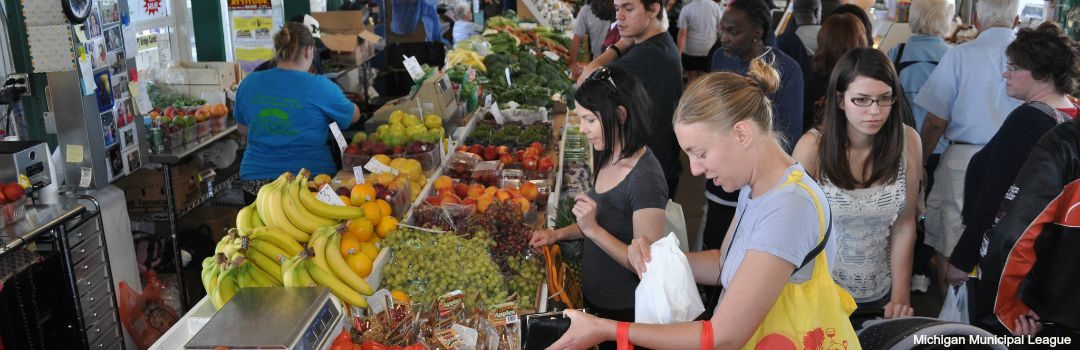
These days, it’s hard to trust that the food you’re eating was produced in a safe, humane and sustainable manner. But online tools like the Eat Well Guide make it easier to support local farmers, restaurateurs, and others who are doing good by their customers, their workers and the planet. The Guide’s thousands of listings include restaurants, farms, farmers’ markets, stores and more. Eat Well Guide Project Director Dawn Brighid shared with Rachel’s Network why initiatives like hers are needed as we build a better food system together.
Sustainable Agriculture Depends on Women
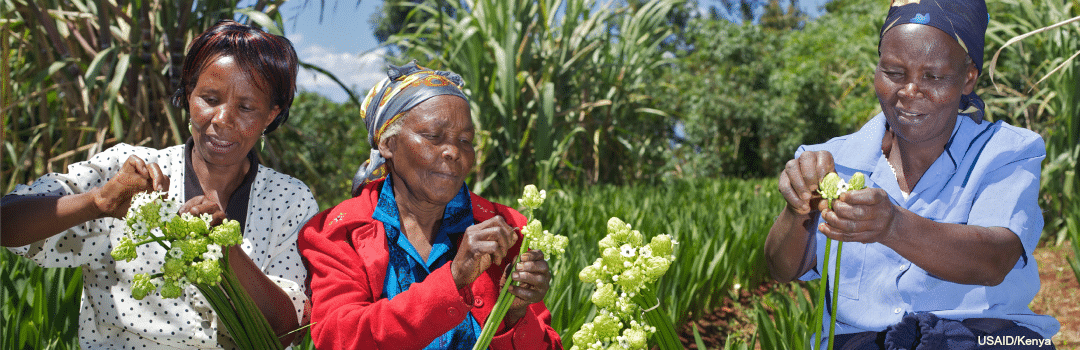
It’s inspiring to see a woman-led business increasing livelihoods for women farmers and employees in parts of the world that markets struggle to reach. It’s even more powerful when that business does so while having a positive impact on the environment. Root Capital is investing in those kinds of businesses – high-impact, gender-inclusive, and focused on agriculture. Root Capital’s Senior Vice President of Investor Relations & Operations Catherine Gill talks about ways we can encourage and support women farmers.