News
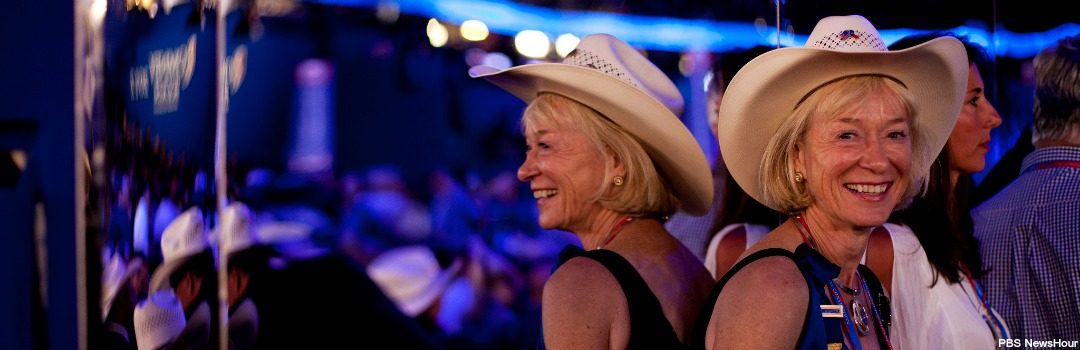
Republican Women and the GOP Gender Gap
As we learned from our 2011 report “When Women Lead,” women legislators, regardless of party affiliation, vote in favor of environmental protections more often than their male counterparts. Clearly, we need women on both sides of the aisle to advance policy, especially environmental policy. But the vast majority of women in Congress are Democrats; they outnumber Republican congresswomen three to one. Why is this and how can we address this gap? Rachel’s Network has partnered with Political Parity to identify the challenges Republican women face when running in primary elections.
Healing Communities with Angel Braestrup
It’s easy to become overwhelmed thinking about all environmental challenges we face. Billions of people, their houses, their cars, their stuff, their worksites, their stores, their restaurants, their schools—so much of our society must change to support the natural resources on which human life depends. But Angel has found hope in the work of Rachel’s Network members and others around the world.
Q&A with Rachel’s Network Founder Winsome McIntosh
This week, ClientEarth, a small environmental nonprofit and the first public interest law firm in the European Union, won a huge victory in the EU courts that will drastically reduce air pollution in the UK. ClientEarth is the brain child of Rachel’s Network Founder Winsome McIntosh, who established the organization in 2008 with assistance from the Rachel’s Network Fiscal Sponsorship Fund. Coutts recently talked with Winsome about her tireless work to protect the environment through her philanthropy.
Kef Kasdin Joins Third Way’s Board of Trustees
Kef’s appointment was facilitated by the Rachel’s Network’s Board Placement Program, which matches environmental and social justice nonprofits with their talented membership of women environmental funders.
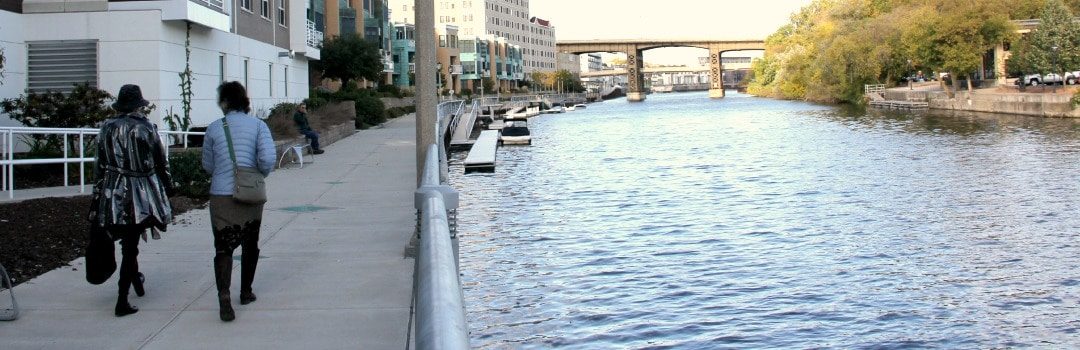
11 Ideas to Support Water Conservation
After our Fall Retreat on water issues in Milwaukee, we reached out to influential figures — including activists, authors, artists, and business leaders — to share how they would like to see more funds directed to water issues. Their responses show how water touches all parts of our life, and point to the importance of building coalitions and citizen power to protect this vital resource.
The Women’s Congress for Future Generations
It’s clear that we need new tools and policies that will afford those who come after us the chance for a healthy world. Rachel’s Network Advisor Carolyn Raffensperger calls on every woman to raise her voice and claim her authority in the conversation about the future of our planet. Her Women’s Congress for Future Generations will crowdsource their wisdom and ideas.
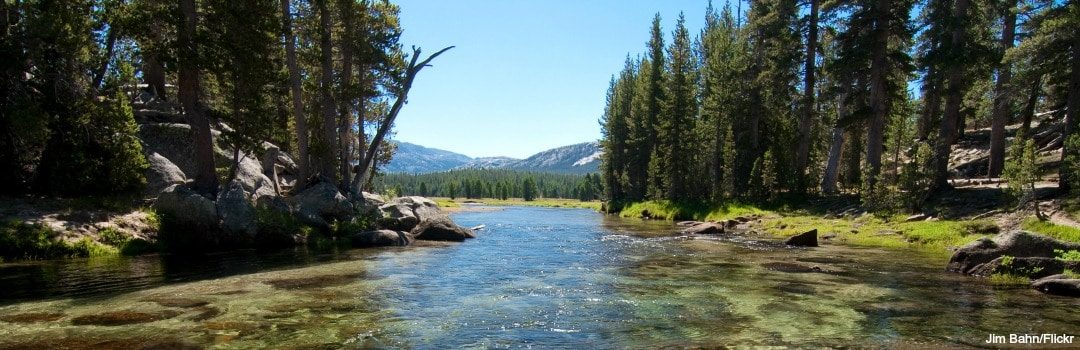
Expert Q&A with Nicole Silk, Rivers Advocate
Rivers and lakes supply the majority of the water we need in our daily lives, to produce the goods and services we rely upon, and to provide places for recreation and reflection. But these waters are in trouble. Nicole Silk, executive director of The River Network, spoke with Rachel’s Network members about the role of grassroots empowerment in driving large scale protection of our waterways, and answered these questions for us.
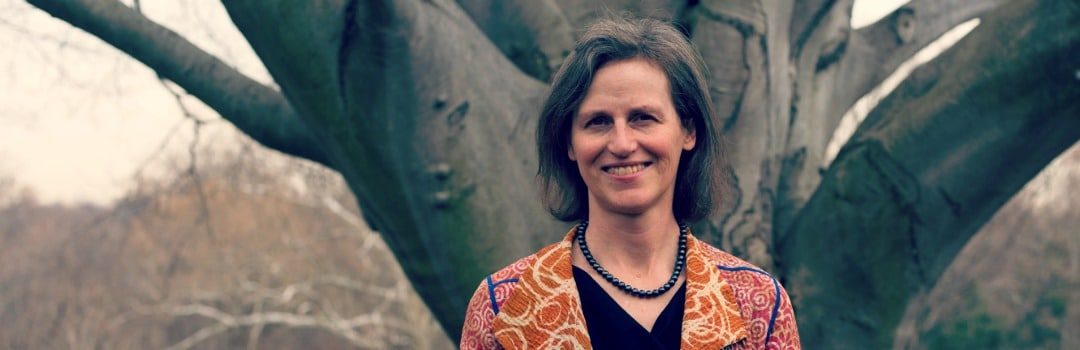
Getting Started in Impact Investing with Annarie Lyles
Each year for the past four years Rachel’s Network Member Annarie Lyles has been shifting 2% of her assets away from conventional stocks to businesses that align with her values. Here’s how she got started in impact investing, and how you can too.
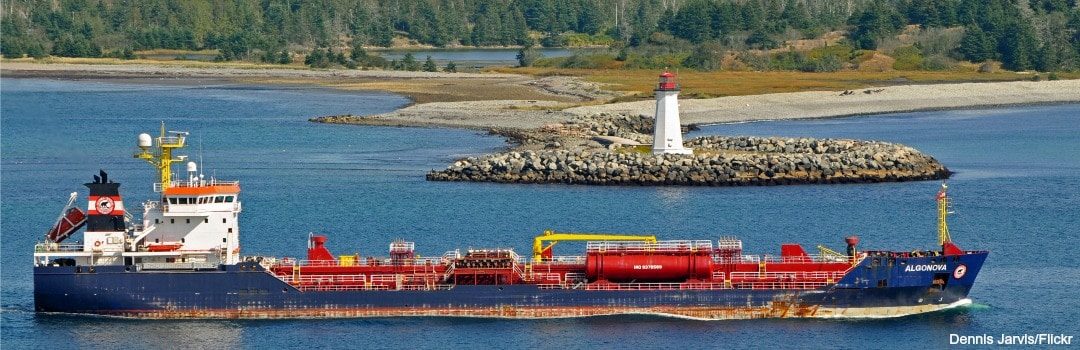
Extreme Energy’s Threat to the Great Lakes
The Great Lakes of North America form the largest group of freshwater lakes in the world, holding more than 20 percent of the world’s surface freshwater and 95 percent of North America’s. Despite the incalculable value of this resource, they’re in serious trouble. Climate change, invasive species, and wetland loss all taking a terrible toll on a watershed that provides life to so many people and species. Now, companies are using the Great Lakes and the St. Lawrence Seaway as a carbon corridor for a newly aggressive North American energy industry. This poses the greatest threat yet to these waters.
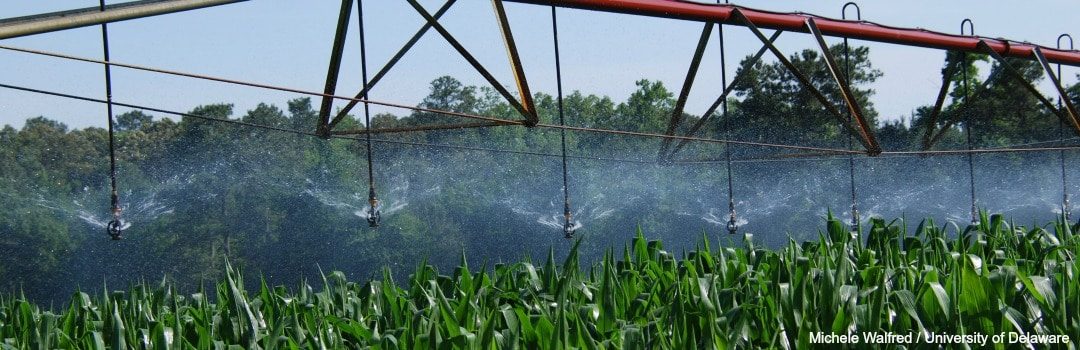
Conserving Water One Farm at a Time, One Million Strong
The agricultural sector is the single largest user of water, representing 70 percent of global freshwater withdrawals and up to 90 percent of national water use in some countries. An estimated 40-60 percent of that water is wasted through inefficient irrigation systems and other substandard practices. To address this, the Rainforest Alliance helped to create the Sustainable Agriculture Network (SAN), an international body that manages a comprehensive sustainability certification program for more than one million farms.